
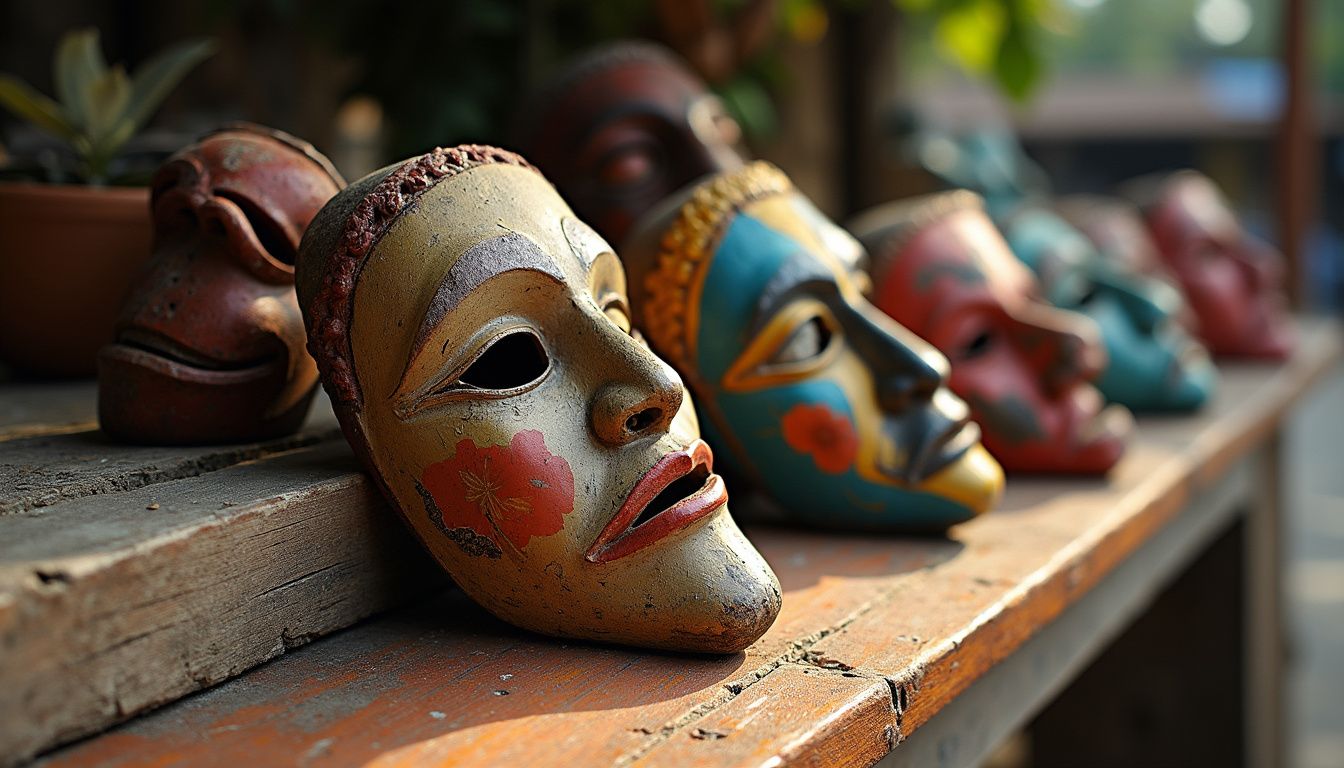
Many travelers visit the Dominican Republic for its beaches and resorts. They miss the true heart of this Caribbean nation. The real magic happens during local festivals where communities come together to celebrate their rich heritage through music, dance, and traditions passed down through generations.
The Dominican Republic hosts over 25 major festivals each year, each one showcasing different aspects of the country’s vibrant culture. These celebrations reveal stories of indigenous TaÃno roots, Spanish colonial influence, and African heritage that shaped the nation’s identity.
This guide explores 11 essential Dominican festivals that will help you connect with authentic local culture and plan your visit around these spectacular events. Get ready to experience the Dominican Republic’s true soul.
Key Takeaways
- The Dominican Republic hosts over 25 major festivals annually, showcasing African, TaÃno, and Spanish colonial influences that shaped the nation’s cultural identity.
- Carnival of La Vega stands as the country’s most spectacular cultural celebration, featuring elaborate costumes and masks during February or March festivities.
- Independence Day on February 27 commemorates the 1844 liberation from Haitian rule after 22 years of occupation through patriotic parades and ceremonies.
- The Merengue and Bachata Festival celebrates traditional music genres with African and TaÃno roots that evolved into internationally recognized Dominican art forms.
- Religious festivals like Feast of Virgen de Altagracia on January 21st draw thousands of pilgrims to Higüey’s Basilica for spiritual celebrations.
Carnival of La Vega
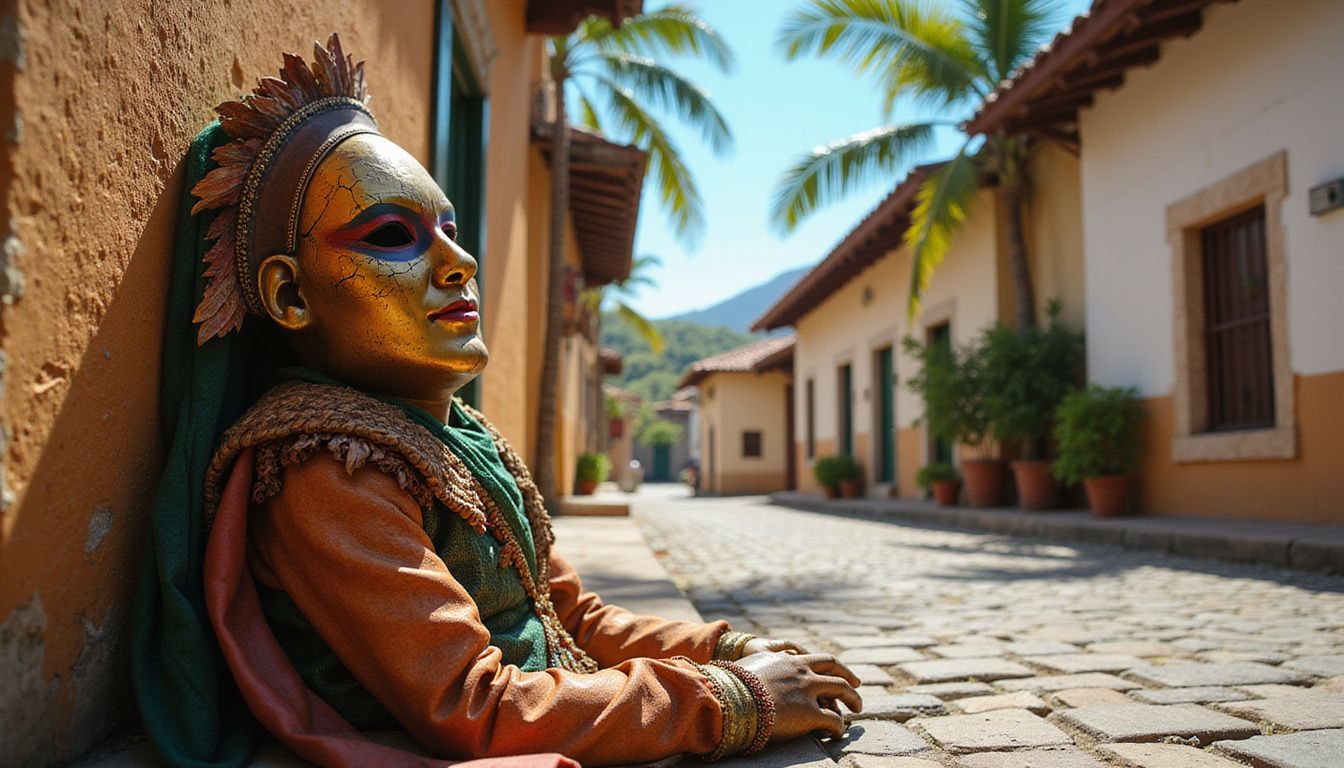
The Carnival of La Vega stands as one of the Dominican Republic’s most spectacular cultural celebrations, typically taking place during February or March each year. This vibrant festival showcases the rich Dominican culture through elaborate parades filled with colorful costumes that reflect centuries-old traditions.
The celebration highlights the country’s diverse cultural heritage, drawing from African and Taino influences that shaped the nation’s identity. Participants wear intricate masks and costumes while dancing through the streets, creating an atmosphere of pure vibrancy that attracts thousands of visitors.
This festival plays a crucial role in strengthening community bonds while promoting tourism throughout the region. As part of over 25 major festivals held annually across the Dominican Republic, the Carnival of La Vega demonstrates the importance of cultural expression in preserving national traditions.
The parade features traditional characters and symbols that tell stories of Dominican history, making it both an entertaining spectacle and an educational experience. Local artisans spend months crafting the elaborate costumes and masks, ensuring each celebration maintains its authentic character while contributing to the local economy.
Independence Day
February 27 marks one of the most sacred dates in Dominican history, as the nation celebrates its Independence Day with unmatched patriotism and pride. This commemoration honors the moment when Dominican revolutionaries broke free from Haitian rule in 1844, establishing their sovereignty after 22 years of occupation.
Citizens across the country gather in public squares, schools, and community centers to participate in flag-raising ceremonies that showcase their deep nationalism and respect for those who fought for freedom.
Military parades march through major cities while children perform traditional dances that tell stories of their ancestors’ struggle for liberation. Heritage sites become focal points where families share stories of courage and sacrifice, ensuring younger generations understand the price of their nation’s independence.
Dominican culture comes alive during Independence Day celebrations as communities organize festivals that blend historical remembrance with joyful tradition. Local musicians perform patriotic songs while vendors sell traditional foods that have been passed down through generations, creating an atmosphere where history meets modern celebration.
Schools host special programs where students recite poetry about their nation’s journey to freedom, and cultural groups perform theatrical presentations depicting key moments from the independence movement.
Government officials deliver speeches that emphasize the importance of preserving Dominican values and continuing the legacy of those who died for their country’s liberation. This national holiday serves as a powerful reminder of how far the Dominican Republic has come since gaining its independence, strengthening the bonds between citizens who share a common heritage rooted in the pursuit of freedom.
Merengue and Bachata Festival
The Merengue and Bachata Festival stands as one of the Dominican Republic’s most vibrant celebrations of traditional music and cultural heritage. This dynamic music festival showcases the rich African and Taino roots that define Dominican culture through electrifying dance performances and authentic musical expressions.
Artists from across the country gather to perform these beloved genres, creating an atmosphere where community bonding flourishes and visitors experience the true spirit of Dominican celebration.
The festival forms part of over 25 major festivals held annually throughout the Dominican Republic, contributing significantly to the nation’s tourism appeal.
Cultural enthusiasts and music lovers find this festival essential for understanding Dominican identity and artistic expression. The event highlights how merengue and bachata evolved from their African and Taino origins into internationally recognized art forms.
Local communities actively participate in preserving these musical traditions while welcoming tourists who seek authentic cultural experiences. The festival’s emphasis on dance and music creates lasting connections between performers and audiences, strengthening the social fabric that makes Dominican culture so distinctive and appealing to international visitors.
Guloya Festival
While merengue and bachata showcase Dominican musical heritage, the Guloya Festival reveals another fascinating layer of the country’s cultural identity. This vibrant celebration highlights the diverse traditions that shape Dominican heritage through colorful masks, elaborate costumes, and ancient rituals passed down through generations.
Guloya Festival participants transform into mystical characters that represent the fusion of African, European, and indigenous influences within Dominican culture. Community members gather to witness spectacular performances that demonstrate local pride and preserve ancestral customs.
Tourism officials recognize this festival as a vital cultural attraction that enhances visitor experiences while fostering community spirit among Dominicans. Local heritage takes center stage during these celebrations, emphasizing how traditional festivals continue shaping Dominican identity in modern times.
Barcelo Desalia Festival
Moving from the vibrant cultural expressions of the Guloya Festival, the Dominican Republic’s festival calendar shifts to showcase its modern entertainment prowess through the Barcelo Desalia Festival.
This dynamic music festival represents the country’s contemporary cultural celebration scene, blending international acts with local talent to create an unforgettable travel experience.
The festival transforms beachfront venues into pulsating entertainment hubs where live performances meet the Caribbean’s natural beauty. Attendees experience world-class DJs spinning electronic beats against stunning coastal backdrops, making this summer event a premier destination for music lovers seeking both cultural immersion and high-energy nightlife.
The Barcelo Desalia Festival elevates the traditional beach party concept into a sophisticated cultural celebration that attracts visitors from across the globe. Multiple stages feature diverse musical genres, from electronic dance music to Latin rhythms, ensuring every musical taste finds satisfaction.
Outdoor activities complement the main performances, allowing festival-goers to enjoy water sports, beach volleyball, and sunset yoga sessions between sets. The festival’s strategic timing during peak summer months maximizes the Dominican Republic’s perfect weather conditions, creating an ideal environment where music, culture, and natural beauty converge.
Local vendors showcase Dominican cuisine and crafts, ensuring the event maintains its cultural authenticity while delivering international-caliber entertainment that defines modern festival experiences.
Jazz Festival in Puerto Plata
The Jazz Festival in Puerto Plata stands as a cornerstone celebration that showcases Dominican culture and history through the universal language of music. This prestigious event forms part of the Dominican Republic’s broader music festival landscape, attracting both local and international jazz enthusiasts to the historic coastal city.
Artists from across the Caribbean and beyond gather to perform on stages that overlook the Atlantic Ocean, creating an atmosphere where traditional Dominican sounds blend seamlessly with contemporary jazz arrangements.
The festival serves as a cultural bridge, connecting generations through shared musical experiences while highlighting the country’s rich artistic heritage.
Puerto Plata’s jazz celebration contributes significantly to the cultural fabric of the Dominican Republic, fostering community bonds and preserving musical traditions that define the nation’s soul.
Local musicians share stages with internationally acclaimed artists, creating opportunities for cultural exchange that extend far beyond the festival dates. The event strengthens the tourism appeal of the Dominican Republic by promoting authentic local culture and experiences to visitors seeking meaningful connections with Caribbean arts.
Jazz performances echo through the colonial streets of Puerto Plata, transforming the historic city into a living celebration that reflects the vibrant spirit and musical passion that courses through Dominican society.
San Juan Bautista Festival
The San Juan Bautista Festival stands as a significant cultural event that showcases the Dominican Republic’s rich history and cultural fabric. This vibrant celebration brings communities together through traditional music and dance performances that reflect centuries of heritage.
Local participants gather to honor their cultural diversity while preserving time-honored traditions that define their national identity.
Community celebrations form the heart of this remarkable festival, fostering a strong sense of heritage among all who participate. Visitors from around the world travel to experience this authentic display of Dominican culture, making the festival a powerful draw for tourism.
Traditional rhythms fill the air as dancers perform ancestral movements, creating an atmosphere that captures the true spirit of Dominican festivity and cultural pride.
Feast of Virgen de Altagracia
Dominican communities gather each January to honor their beloved patron saint, the Virgen de Altagracia, in one of the nation’s most sacred celebrations. This religious festival draws thousands of pilgrims to the Basilica of Higüey, where devotion runs deep through generations of Dominican families.
Faithful believers travel from across the Caribbean and beyond to participate in this spiritual pilgrimage that strengthens community bonds. Local traditions blend Catholic heritage with African and Taino roots, creating a unique cultural experience that defines Dominican identity.
Religious ceremonies begin before dawn on January 21st, filling the streets with prayers, songs, and colorful processions. Tourism officials report significant increases in visitor numbers during this period, as international guests seek authentic cultural insights into Dominican spirituality.
Festival organizers coordinate with over 25 major celebrations throughout the Dominican Republic, making the Feast of Virgen de Altagracia a cornerstone of the nation’s cultural fabric.
Heritage preservation efforts ensure these traditions pass to younger generations while maintaining their original spiritual significance. Culture enthusiasts document the intricate rituals that showcase centuries-old customs still practiced today.
Community leaders emphasize how this celebration fosters unity among diverse Dominican populations, regardless of social or economic background. Religious authorities conduct special masses that attract both local residents and international visitors seeking spiritual enrichment.
Festival activities extend beyond religious observances to include traditional music, local cuisine, and artisan crafts that represent authentic Dominican culture. Restoration Day celebrations follow later in the year, continuing the country’s rich tradition of meaningful festivals.
Restoration Day Celebrations
Moving from religious devotion to national pride, Restoration Day Celebrations stand as one of the most significant festivals in the country’s cultural calendar. This heritage festival commemorates August 16, 1863, marking the beginning of the War of Restoration against Haitian rule.
Communities across the nation gather to honor their independence and celebrate the courage of their ancestors. The festival showcases the deep African and Taino roots that shape the country’s identity today.
Over 25 major festivals celebrate various aspects of culture annually, and Restoration Day ranks among the most important for fostering community spirit and preserving tradition. Tourism flourishes during these celebrations as visitors witness authentic displays of history through parades, music, and traditional performances.
Simply Dominican offers specialized cultural immersion experiences that connect travelers with this powerful celebration of freedom and national identity. The festival serves as a bridge between past and present, allowing both locals and tourists to experience the soul of a nation that fought for its independence and continues to honor that legacy through vibrant community celebrations.
Santo Domingo Cultural Festival
The Santo Domingo Cultural Festival stands as a cornerstone celebration that showcases the Dominican Republic’s rich heritage and diverse cultural offerings. This festival forms part of the nation’s impressive roster of over 25 major festivals held annually, each designed to preserve and promote the country’s vibrant traditions.
Music and dance take center stage during this celebration, with events featuring the beloved sounds of merengue and bachata that define Dominican identity. Community participation drives the festival’s success, bringing together locals and visitors to experience authentic cultural expressions that have shaped the nation for generations.
Tourism benefits significantly from this cultural celebration, as visitors witness firsthand the diversity that makes the Dominican Republic unique. The festival’s global reach extends beyond national borders, with events like the Dominican Cultural Festival in Cleveland scheduled for August 16, 2025, demonstrating the worldwide appreciation for Dominican culture.
Heritage preservation remains a vital mission of this celebration, ensuring that traditional art forms, music, and dance continue to thrive in modern times. The festival serves as a powerful expression of national pride, connecting communities through shared cultural experiences that strengthen Dominican identity both at home and abroad.
Punta Cana Sol Fest
Punta Cana Sol Fest stands as a vibrant cultural celebration that showcases the Dominican Republic’s rich heritage within one of the country’s most famous tourist destinations. This festival forms part of the nation’s impressive collection of over 25 major festivals held annually, each contributing to the celebration of Dominican cultural diversity.
Local communities gather alongside international visitors to experience authentic Dominican traditions through music, dance, and culinary arts. Tourism operators recognize the event’s significant impact on promoting local culture while boosting the regional economy.
Festival organizers blend traditional Dominican elements with modern entertainment to create an experience that appeals to both locals and international guests.
Community participation drives the festival’s authentic atmosphere as residents share their customs and traditions with visitors from around the world. Heritage preservation takes center stage through demonstrations of traditional crafts, folk music performances, and storytelling sessions that pass down Dominican history to younger generations.
Events throughout the festival highlight the importance of cultural festivals in maintaining national identity while embracing global influences. Diversity shines through various cultural expressions, from indigenous TaÃno influences to African rhythms and Spanish colonial traditions.
Artists and performers from across the Dominican Republic converge to display their talents, creating a comprehensive representation of the country’s artistic landscape. This celebration perfectly bridges the gap between preserving cultural roots and embracing modern tourism development, leading us to explore another significant religious observance in the Dominican calendar.
Conclusion
These 11 Dominican festivals showcase the country’s rich heritage and vibrant culture through music, dance, and community celebrations. Each festival reveals unique traditions that connect locals and visitors to the Dominican Republic’s authentic identity.
Simply Dominican offers over 1,000 holiday villas across 8 destinations, providing the perfect base to experience these cultural events firsthand. Their expert team specializes in villa rentals and activity scheduling, ensuring guests can participate in these meaningful traditions with ease.
Whether you seek carnival excitement in La Vega or jazz rhythms in Puerto Plata, these festivals offer transformative experiences that go beyond typical tourism. Contact Simply Dominican to plan your cultural journey and discover how these celebrations can enrich your understanding of Dominican heritage.
Experience the soul of the Dominican Republic through its festivals, and let these vibrant traditions create lasting memories during your stay.
FAQs
1. What makes Dominican festivals unique compared to other Caribbean celebrations?
Dominican festivals blend African, Spanish, and indigenous TaÃno traditions into distinctive cultural expressions. These celebrations showcase the nation’s complex heritage through music, dance, and religious ceremonies that differ significantly from neighboring islands. Industry experts note that Dominican festivals maintain stronger connections to pre-Columbian rituals than most Caribbean nations.
2. Which Dominican festival best represents the country’s cultural soul?
Carnival stands as the most representative celebration, occurring nationwide during February and March. This festival demonstrates the Dominican Republic’s multicultural identity through elaborate masks, vibrant costumes, and traditional merengue music that originated centuries ago.
3. How do these festivals impact Dominican tourism and local economies?
Cultural festivals generate approximately 40% of the Dominican Republic’s annual tourism revenue, according to recent Ministry of Tourism data. Local artisans, musicians, and food vendors experience significant income increases during festival seasons, with some communities earning 60% of their yearly revenue during these celebrations.
4. What role do religious elements play in Dominican festival traditions?
Catholic saints’ feast days form the foundation for most Dominican festivals, reflecting the Spanish colonial influence on local culture. However, these celebrations incorporate Afro-Caribbean spiritual practices and indigenous ceremonies, creating syncretic religious experiences. This fusion demonstrates how Dominican communities preserved ancestral beliefs while adapting to colonial religious structures.
