
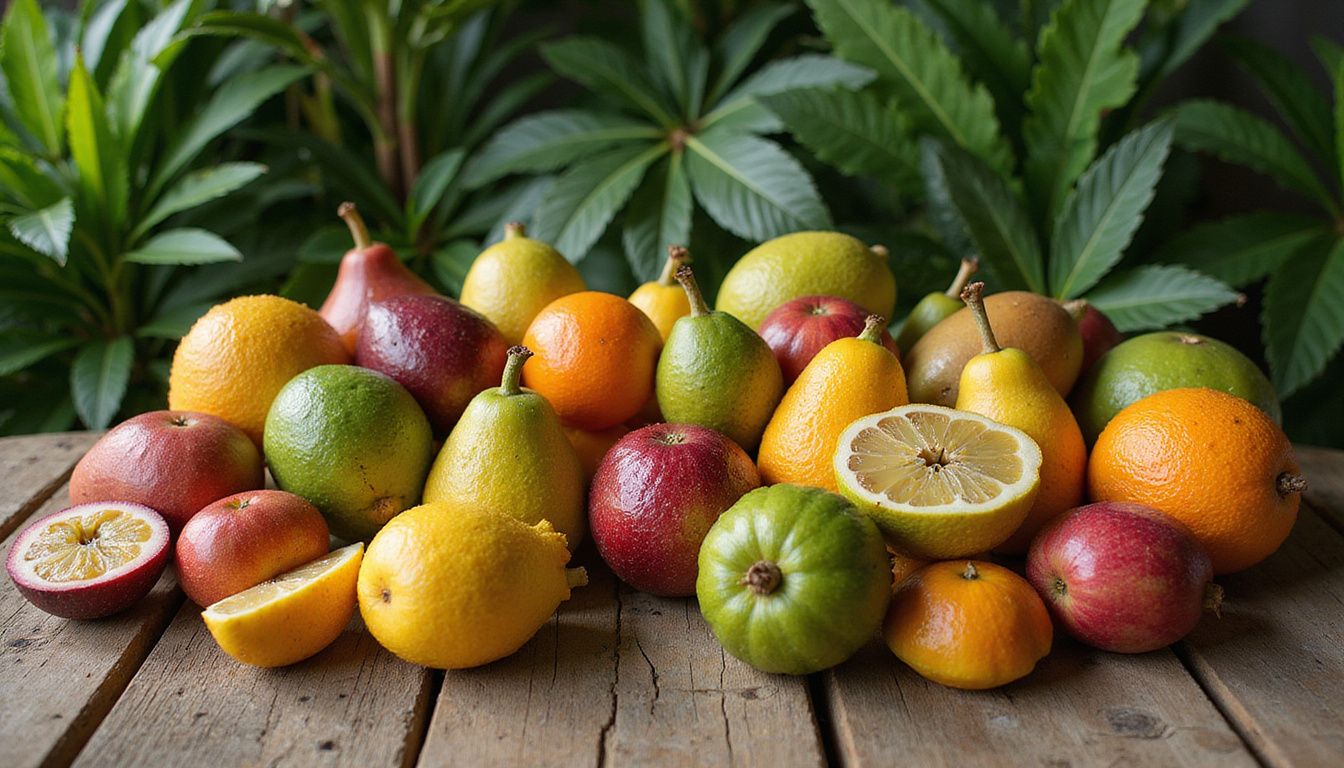
Most travelers visit the Dominican Republic for its stunning beaches and vibrant culture. They often miss the incredible variety of exotic fruits that grow naturally across this Caribbean paradise.
These tropical treasures offer flavors you simply cannot find in regular grocery stores back home. Many visitors leave without ever tasting the sweet, tart, and unique fruits that locals enjoy daily.
The Dominican Republic produces over 50 different types of tropical fruits throughout the year. This amazing fruit diversity comes from the island’s perfect climate and rich soil conditions.
Local farmers have cultivated these exotic varieties for generations, creating a true agricultural heritage that defines Caribbean cuisine.
This guide reveals 14 extraordinary Dominican fruits that will transform your culinary experience on the island. You will discover where to find these hidden gems, how locals prepare them, and why each fruit holds special meaning in Dominican food culture.
These exotic flavors will change how you think about tropical produce forever.
Your taste buds are about to discover something amazing.
Key Takeaways
- The Dominican Republic produces over 50 different types of tropical fruits throughout the year in perfect climate conditions.
- These exotic fruits deliver exceptional nutritional value through high concentrations of vitamins, minerals, and powerful antioxidants supporting optimal health.
- Dominican families have cultivated these unique fruits for generations, making them essential ingredients in traditional Caribbean cuisine and culture.
- Fruits like caimito, guanábana, and chinola offer distinctive sweet-tart flavor profiles that create endless culinary possibilities beyond typical grocery options.
- Peak harvest seasons vary by fruit, with caimito available May through August and zapote reaching optimal sweetness December through March.
Unique Dominican Fruits Youâve Probably Never Heard Of
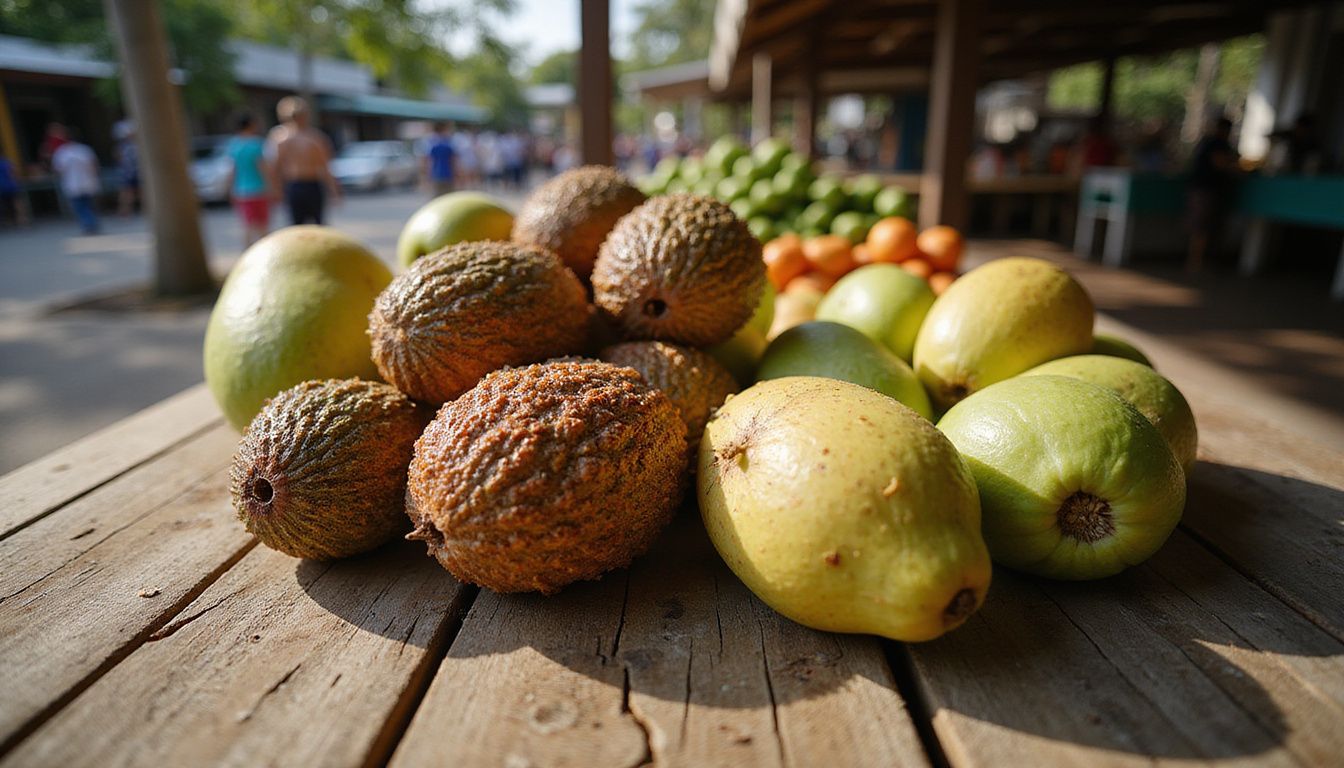
The Dominican Republic harbors an extraordinary collection of tropical fruits that remain virtually unknown to most international visitors and fruit enthusiasts. These exotic treasures showcase the island’s remarkable agricultural heritage and offer flavors ranging from sweet and creamy to tart and refreshing, each carrying deep cultural significance within Caribbean cuisine.
Caimito (Star Apple)
Caimito stands as one of the Caribbean’s most distinctive tropical fruit treasures. This exotic purple or green spherical fruit grows abundantly across Dominican Republic’s fertile agricultural regions.
Local farmers harvest caimito during peak season from May through August. The fruit’s sweet, creamy white flesh creates a star-shaped pattern when sliced crosswise, earning its popular “star apple” nickname.
Dominican families have incorporated this organic fruit into their local cuisine for generations. Caimito delivers exceptional nutrition through high vitamin C content and natural antioxidants.
Fresh caimito tastes best when fully ripe, offering a unique honey-like sweetness that distinguishes it from common fruits. Many visitors discover this hidden gem only after exploring Dominican markets and experiencing authentic regional flavors.
Guavaberry
Guavaberry stands as one of the most distinctive tropical fruits in Dominican agriculture, representing a vital piece of the nation’s culinary heritage. This small, dark purple fruit grows wild across the Dominican Republic and carries deep cultural significance within local communities.
Dominican families have harvested guavaberries for generations, transforming them into traditional liqueurs and preserves that define regional specialties. The fruit’s sweet-tart flavor profile creates unique tastes that distinguish it from common tropical varieties found elsewhere.
Traditional festivals throughout the Dominican Republic celebrate this exotic produce, particularly during holiday seasons when families gather to prepare guavaberry-based beverages.
Local cuisine incorporates the fruit into various recipes, from desserts to alcoholic drinks that showcase its complex flavor notes. The biodiversity of Dominican landscapes provides ideal growing conditions for guavaberries, which thrive in mountainous regions and contribute to the country’s agricultural diversity.
This remarkable fruit demonstrates how unique flavors can preserve cultural traditions while offering modern cooks exciting culinary possibilities.
Tayota (Chayote)
Moving from the sweet berry flavors to something completely different, Tayota presents itself as one of the Caribbean’s most versatile produce options. This pale green, pear-shaped vegetable grows abundantly throughout Dominican agriculture and serves as a cornerstone ingredient in traditional cuisine.
Chayote delivers exceptional nutrition while maintaining incredible culinary flexibility across tropical cooking methods. Dominican families harvest this squash-like produce year-round, incorporating its mild flavor into soups, stews, and side dishes.
The vegetable provides essential vitamins and minerals that support healthy diets throughout the Caribbean region. Professional chefs prize Tayota for its ability to absorb surrounding flavors while contributing a satisfying texture to countless recipes.
Limón Culeco (Key Lime)
Limón Culeco stands as one of the Dominican Republic’s most treasured citrus fruits, yet remains largely unknown to visitors exploring the island’s rich agricultural landscape. This small, round lime delivers an intense tartness that surpasses regular limes, making it essential for authentic Dominican gastronomy.
Local farmers cultivate these key limes across various regions, where the tropical climate produces fruits with exceptional flavor concentration. The fruit’s bright green skin conceals a highly acidic pulp that transforms traditional recipes into extraordinary culinary experiences.
Dominican chefs prize Limón Culeco for its ability to enhance both sweet and savory preparations, from refreshing beverages to complex marinades. The fruit’s unique characteristics stem from specific growing conditions found throughout the Dominican Republic, where volcanic soil and consistent rainfall create optimal cultivation environments.
Simply Dominican recognizes this exotic fruit as part of the broader exploration of Dominican cultural heritage, promoting local experiences that showcase the island’s incredible culinary diversity.
Visitors who discover Limón Culeco gain deeper appreciation for the sophisticated flavor profiles that define authentic Dominican cuisine.
Jagua (Genipap)
Moving from citrus fruits to darker tropical varieties, Jagua stands out as one of the Caribbean’s most fascinating indigenous fruits. This unique Dominican fruit grows on tall trees throughout the tropical regions and produces a dark, almost black juice that has served multiple purposes for centuries.
The Genipap fruit measures roughly the size of an orange and contains a sweet-tart flesh that locals prize for both culinary and traditional uses.
Jagua offers excellent nutrition value with high levels of antioxidants and essential minerals that support health. The fruit’s distinctive flavor profile combines sweet and slightly bitter notes, making it perfect for traditional Dominican beverages and desserts.
Local agriculture communities have cultivated this tropical fruit for generations, preserving important biodiversity while maintaining cultural food traditions. The harvest season brings fresh Jagua to local markets, where experienced cooks transform the fruit into jellies, wines, and natural food coloring that enhances traditional Caribbean cuisine.
Zapote (Sapote)
Zapote stands as one of the most prized exotic produce found across the Dominican Republic. This tropical fruit displays a rough, brown exterior that conceals creamy, orange flesh with an incredibly sweet taste.
Caribbean agriculture specialists describe the sapote’s flavor as a blend of sweet potato, pumpkin, and caramel notes. Local farmers harvest these fruits during peak season from December through March, when the flesh reaches optimal sweetness levels.
Dominican families have cultivated zapote trees for generations, making this fruit a cornerstone of traditional local cuisine.
The nutritional benefits of sapote make it a valuable addition to any diet. Each serving provides substantial amounts of vitamin A, vitamin C, and dietary fiber. Caribbean nutritionists emphasize that sapote contains natural sugars that offer sustained energy without causing blood sugar spikes.
Dominican cooks incorporate this versatile fruit into desserts, smoothies, and traditional sweet preparations. Fresh sapote requires careful handling during harvesting, as the delicate flesh bruises easily when overripe.
The next remarkable fruit brings a completely different flavor profile to Dominican tables.
NÃspero (Loquat)
Moving from the sweet complexity of zapote, nÃspero presents a completely different tropical experience that showcases the Dominican Republic’s diverse agricultural heritage. This small, oval-shaped fruit grows abundantly in Dominican orchards during the cooler months, offering a unique flavor profile that combines subtle sweetness with gentle tartness.
NÃspero trees thrive in the island’s mountainous regions, where indigenous farming practices have preserved traditional cultivation methods for generations. The fruit’s delicate orange flesh provides essential nutrients while delivering a refreshing taste that local chefs incorporate into both traditional and modern culinary applications.
Harvest season typically occurs between December and March, when the fruit reaches optimal ripeness and develops its characteristic soft texture that makes it perfect for fresh consumption or processing into preserves and beverages.
Carambola (Starfruit)
Carambola stands out among unique Dominican fruits with its distinctive five-pointed star shape that creates perfect star patterns when sliced. This tropical fruit grows abundantly in the Dominican Republic’s warm climate and offers a crisp, juicy texture similar to a cross between an apple and a grape.
The flavor profile ranges from sweet to mildly tart, depending on the variety and ripeness level. Dominican farmers harvest carambola year-round, making it a reliable addition to local Caribbean cuisine and export markets.
This exotic fruit requires minimal preparation since the entire fruit is edible, including the waxy yellow-green skin. Carambola provides excellent nutritional value with high vitamin C content, potassium, and dietary fiber while remaining low in calories.
Local chefs incorporate starfruit into fresh salads, tropical smoothies, and traditional Dominican desserts. The fruit’s natural acidity makes it an ideal ingredient for marinades and sauces in Caribbean cooking, while its attractive appearance serves as an elegant garnish for both casual meals and fine dining presentations.
Fruta de Pan (Breadfruit)
Moving from star-shaped fruits to more substantial tropical offerings, Fruta de Pan stands as one of the Caribbean’s most versatile and sustainable crops. This large, round fruit transforms from a starchy vegetable when unripe to a sweet tropical delicacy when fully mature, making it a cornerstone of Dominican culinary heritage.
Breadfruit delivers exceptional nutritional benefits while serving as a plant-based protein source that supports sustainable agriculture practices. Dominican cooks prepare this ethnic food in countless ways, from boiling and frying the unripe fruit as a potato substitute to baking the ripe version into sweet desserts.
The versatile ingredient adapts to both savory Caribbean cuisine dishes and innovative modern recipes, proving its value as a reliable food source that has sustained island communities for generations.
Mamón (Spanish Lime)
Mamón stands out as one of the most unique Dominican fruits that many people have never encountered. This small, green tropical fruit grows in clusters and offers a distinctive sweet-tart flavor that locals treasure.
The Dominican Republic’s local agriculture produces this indigenous produce throughout the harvest season. Spanish Lime belongs to the same family as lychee and longan fruits. Its thin, tough skin protects the translucent flesh inside.
People crack open the shell with their teeth to access the juicy pulp within.
Dominican cuisine features Mamón as both a snack and ingredient in traditional recipes. Children often enjoy these exotic flavors during summer months when the fruit reaches peak ripeness.
The fruit characteristics include high vitamin C content and natural sugars that provide quick energy. Local farmers cultivate Spanish Lime trees across the island, contributing to the country’s culinary diversity.
This lesser-known fruit enhances Dominican gastronomy through its versatility in both fresh consumption and cooking applications. Simply Dominican recognizes Mamón’s cultural significance in local food traditions and its role in preserving authentic Caribbean flavors.
Cajuil (Cashew Apple)
Cajuil represents one of the most fascinating tropical fruits found throughout the Dominican Republic. This exotic produce grows as the fleshy, pear-shaped appendage attached to the cashew nut.
The fruit displays vibrant colors ranging from bright yellow to deep red. Local cuisine incorporates cajuil into refreshing juices, jams, and traditional desserts. Dominican farmers harvest these unique fruits during the dry season from February to May.
Fresh cajuil offers exceptional nutritional benefits that surpass many conventional fruits. The cashew apple contains high levels of vitamin C, often exceeding the content found in oranges.
Agriculture experts note that cajuil provides significant amounts of iron, calcium, and natural antioxidants. Culinary uses extend beyond simple consumption, as Dominican cooks transform the fruit into alcoholic beverages and preserve it for year-round enjoyment.
The unique flavors combine sweet and astringent notes that create a distinctive taste profile unlike any other tropical fruit.
Chinola (Passionfruit)
Chinola, known internationally as passionfruit, thrives throughout the Dominican Republic’s tropical climate and represents one of the country’s most prized exotic produce varieties.
This vibrant fruit displays a wrinkled purple or yellow exterior that conceals aromatic pulp filled with edible black seeds. Dominican farmers cultivate chinola using sustainable farming practices that preserve the fruit’s exceptional flavor profile while maintaining soil health.
The harvesting process requires careful timing to capture peak ripeness when the fruit naturally falls from vines.
Chinola delivers impressive nutritional benefits including high vitamin C content, dietary fiber, and essential antioxidants that support immune system function. Dominican culinary culture embraces this tropical fruit in fresh juices, desserts, and traditional recipes that highlight its distinctive sweet-tart taste.
Local agriculture experts praise chinola’s versatility as both a standalone snack and a key ingredient in gourmet preparations. Fresh ingredients like chinola pulp transform ordinary beverages into exotic tropical drinks that capture the essence of Caribbean flavors.
Lechosa (Papaya)
Lechosa represents one of the Dominican Republic’s most beloved tropical fruits, though many visitors remain unfamiliar with this local name for papaya. This exotic produce grows abundantly across Caribbean cuisine regions and delivers exceptional nutritional benefits through its vibrant orange flesh.
Dominican families have cultivated lechosa for generations, using this vitamin-rich fruit in daily meals and traditional recipes. The fruit contains high levels of vitamin C, vitamin A, and powerful antioxidants that support immune system function and overall health.
Fresh lechosa turns ordinary smoothies into nutrient-dense beverages while adding natural sweetness to desserts and breakfast dishes. Local chefs prize this versatile fruit for its ability to enhance both sweet and savory culinary uses throughout Dominican gastronomy.
The fruit’s freshness peaks during specific harvest seasons, making it a prized ingredient in local markets. Nutritional experts recommend lechosa consumption due to its digestive enzymes and anti-inflammatory properties that promote wellness in tropical climates.
Guanábana (Soursop)
While lechosa offers sweet tropical satisfaction, guanábana presents a completely different flavor profile that challenges conventional fruit expectations. This spiky green tropical fruit grows abundantly throughout the Dominican Republic and delivers a distinctive taste that combines sweet and tart elements with subtle vanilla undertones.
Guanábana’s white, creamy flesh contains exceptional levels of vitamin C, potassium, and powerful antioxidants that support immune system function. Dominican families traditionally use this exotic produce for juice extraction, creating refreshing beverages that showcase the fruit’s unique culinary diversity.
The soursop’s dietary nutrients include significant amounts of fiber, magnesium, and B vitamins that contribute to wellness. Local culinary traditions incorporate guanábana into smoothies, ice creams, and traditional desserts, demonstrating its versatility beyond simple consumption.
Organic farming practices across Dominican plantations ensure this remarkable fruit maintains its natural health benefits while supporting sustainable agricultural methods that preserve the island’s rich culinary heritage.
Exploring the Benefits of These Exotic Fruits
These exotic Dominican fruits deliver exceptional nutritional value through their high concentrations of vitamins, minerals, and antioxidants that support optimal health. Their distinctive sweet and tart flavor profiles create endless culinary possibilities while preserving the rich agricultural heritage that defines authentic Caribbean cuisine.
Rich in nutrients and antioxidants
Dominican fruits deliver exceptional nutrient density that surpasses many common superfoods found in typical grocery stores. Caimito contains high levels of vitamin C and calcium, while guanábana provides potent phytonutrients that support cellular health.
Zapote offers significant amounts of dietary fiber and vitamin A, making it a powerhouse for digestive wellness and immune system function.
Antioxidants in fruits like jagua and chinola combat free radical damage and promote anti-inflammatory responses throughout the body. Organic compounds found in mamón and cajuil strengthen immunity while delivering essential vitamins that support optimal health.
Each exotic variety contains unique combinations of minerals and protective compounds that contribute to long-term wellness and disease prevention.
Unique flavors and versatility in recipes
Dominican fruits bring bold flavors that transform ordinary recipes into extraordinary culinary experiences. These exotic ingredients offer sweet, tart, and complex taste profiles that enhance both traditional dishes and modern gastronomy.
Caimito delivers creamy sweetness perfect for desserts, while jagua adds earthy depth to savory preparations. Guavaberry provides intense berry notes that elevate sauces and beverages.
Each fruit contributes distinct characteristics that expand cooking possibilities across multiple cuisine styles.
Simply Dominican emphasizes the versatility of these 14 lesser-known fruits in creating diverse recipes that celebrate local culture. Chefs incorporate tayota into soups and stews for added texture.
Zapote works beautifully in smoothies and ice creams. Mamón adds tropical brightness to salads and marinades. The company’s commitment to culture enhances exploration of these local ingredients in traditional dishes, showcasing how exotic fruits can bridge heritage cooking with contemporary culinary innovation.
Cultural significance in Dominican cuisine
These exotic fruits extend far beyond their unique flavors and recipe versatility to form the backbone of Dominican Republic’s rich culinary heritage. Local cuisine relies heavily on these native fruits to create traditional dishes that have been passed down through generations.
Agricultural diversity in the Dominican Republic provides families with access to fresh, exotic produce year-round, making these fruits essential ingredients in daily cooking practices.
Cultural practices surrounding these fruits reflect deep-rooted traditions that connect Dominican families to their ancestral cooking methods. Gastronomy experts recognize how these exotic fruits enhance flavor profiles in everything from breakfast beverages to elaborate dinner preparations.
Traditional dishes like mangú often incorporate lechosa, while refreshing chinola drinks serve as staples during family gatherings and celebrations. The incorporation of exotic fruits adds both nutritional benefits and authentic taste to Dominican meals, preserving cultural identity through food.
Local markets throughout the country showcase these fruits as symbols of national pride, with vendors sharing generations-old knowledge about proper selection and preparation techniques.
Conclusion
Dominican Republic’s exotic fruits offer travelers a unique culinary adventure that extends far beyond typical tropical experiences. These 14 remarkable fruits provide rich nutritional benefits while delivering extraordinary flavors that define authentic Caribbean cuisine.
Visitors can explore local markets, taste seasonal produce, and discover agricultural heritage that spans generations of Dominican farming traditions. Simply Dominican connects guests with authentic fruit-tasting experiences through our villa rentals and customized cultural tours across all eight destinations.
Transform your Dominican vacation into an unforgettable journey by savoring these exotic treasures that showcase the island’s incredible biodiversity and culinary depth.
Discover the beauty of the Dominican Republic and plan your next adventure with our guide on 18 Scenic Road Trips through the Dominican Republic.
FAQs
1. What makes Dominican fruits different from common tropical fruits found elsewhere?
Dominican fruits possess unique flavor profiles and nutritional properties that distinguish them from standard tropical varieties. These indigenous species have adapted to the Caribbean’s specific climate conditions, developing distinctive characteristics not found in commercially available fruits. Agricultural experts note that many Dominican fruits contain higher concentrations of antioxidants and vitamins compared to their global counterparts.
2. Are these rare Dominican fruits safe for international visitors to consume?
Most Dominican fruits are completely safe for consumption by international visitors. However, travelers should exercise caution with unfamiliar varieties and consume them in moderation initially.
3. Where can tourists typically find these uncommon Dominican fruits during their visit?
Local markets, roadside vendors, and rural farming communities offer the best access to authentic Dominican fruit varieties. Urban supermarkets rarely stock these specialized fruits due to limited commercial cultivation.
4. Do these Dominican fruits have any documented health benefits or medicinal properties?
Research indicates that several Dominican fruits contain significant levels of vitamin C, fiber, and natural compounds with anti-inflammatory properties. Traditional Dominican medicine has utilized these fruits for centuries to treat various ailments, though modern scientific studies continue to validate these historical applications. Nutritionists emphasize that these fruits provide essential nutrients often lacking in processed Western diets.
