
Most people think they know Caribbean culture. They picture beaches, music, and tropical food. Yet the Dominican Republic holds secrets that surprise even seasoned travelers. This vibrant nation offers layers of culture that go far beyond the typical vacation experience.
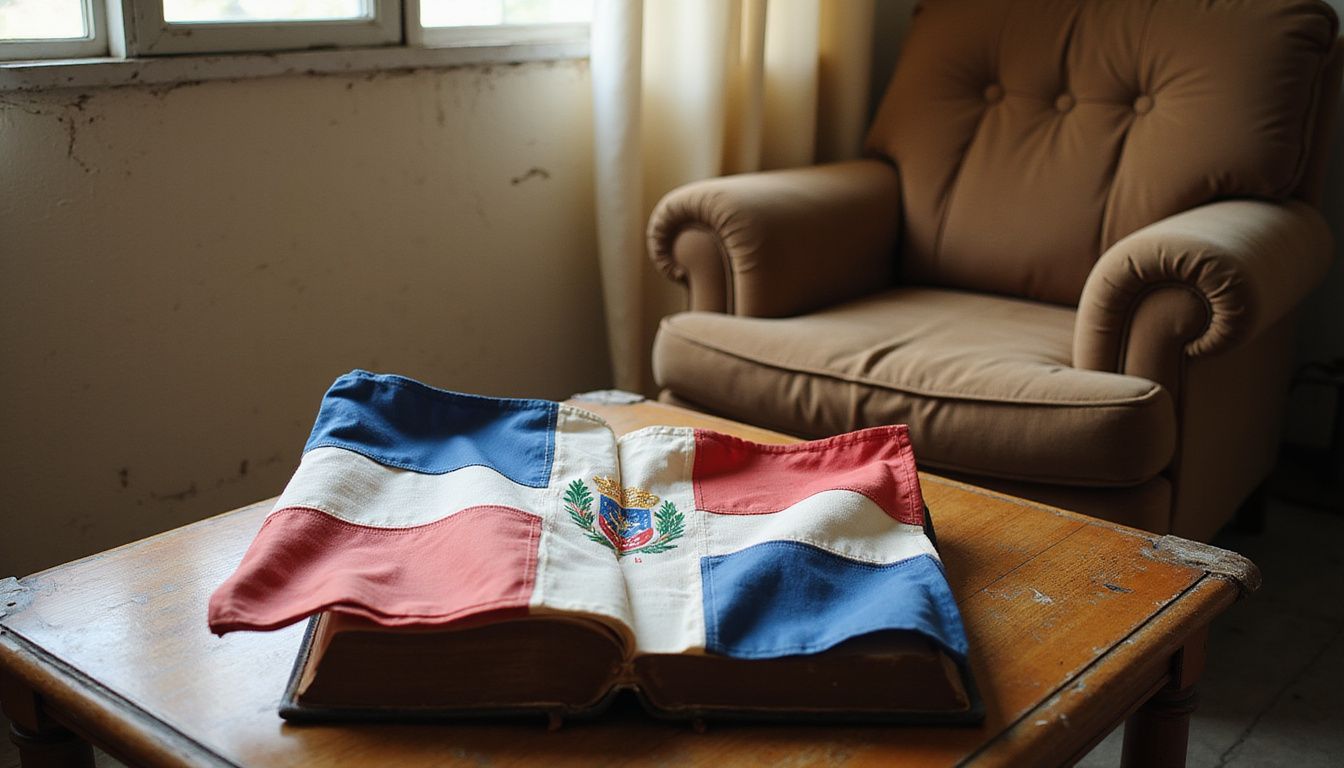
The Dominican Republic stands as the only country in the world with a Bible on its national flag. This unique detail reflects the deep spiritual roots that shape daily life across the island.
Our guide reveals twenty fascinating facts about Dominican culture that most visitors never discover. These insights will transform how you see this remarkable Caribbean nation.
Key Takeaways
- The Dominican Republic is the only country worldwide with a Bible displayed on its national flag, reflecting deep Catholic heritage.
- Dominican culture uniquely blends Spanish, African, and TaÃno influences through music, food, and traditions like merengue and bachata dancing.
- Larimar gemstone exists exclusively in the Dominican Republic, making it one of Earth’s rarest blue minerals found nowhere else.
- Baseball serves as cultural identity with Dominican players becoming Major League stars while families gather for traditional Sunday meals.
- Santo Domingo, founded in 1492, represents the oldest European settlement in the Americas and holds UNESCO World Heritage status.
Unique Cultural Influences
Dominican culture emerges from three distinct civilizations that shaped the island’s identity over centuries. Spanish colonizers, African slaves, and indigenous TaÃno people created a cultural fusion that experts describe as one of the Caribbean’s most complex heritage systems.
Blend of Spanish, African, and TaÃno heritage
The Republic’s cultural identity stems from three powerful civilizations that shaped its foundation centuries ago. Spanish colonizers brought European traditions, language, and religious practices to the island in 1492.
African slaves introduced vibrant rhythms, spiritual beliefs, and cooking techniques that transformed local customs. TaÃno indigenous people contributed agricultural knowledge, artistic methods, and deep connections to the land that persist today.
This remarkable fusion creates a unique cultural tapestry that distinguishes the nation from other Caribbean islands. Heritage from these three ancestries appears in daily life through food preparation, artistic expression, and social interactions.
Folklore traditions blend Spanish storytelling with African oral histories and TaÃno spiritual practices. Language patterns reveal this cultural diversity through vocabulary that incorporates words from all three sources.
Music and dance forms showcase this extraordinary blend that continues to evolve while honoring ancestral roots.
Merengue and bachata: The heartbeat of Dominican music
Merengue and bachata represent the heartbeat of Dominican music, serving as key musical styles that reflect the nation’s rich cultural identity. These vibrant genres showcase a dynamic mix influenced by Spanish, African, and Taino roots that shaped Dominican heritage over centuries.
Merengue emerged as the country’s national dance, featuring fast-paced rhythms and accordion melodies that inspire celebration across communities. Bachata developed later as a more intimate genre, blending guitar-driven melodies with passionate vocals that express deep emotion and romance.
Dominican music culture thrives through these traditional genres that continue shaping modern identity and social gatherings. Both styles create powerful connections between generations, preserving ancestral influences while adapting to contemporary tastes.
Musicians perform merengue and bachata at festivals, family celebrations, and cultural events throughout the Dominican Republic and diaspora communities worldwide. Dance partners move to these infectious rhythms in clubs, homes, and public spaces, demonstrating how music serves as a universal language that unites people across social boundaries.
Fascinating Traditions
Dominican traditions create a rich tapestry that reflects centuries of cultural fusion and deep-rooted family values. These customs continue to influence daily life across the island, from religious celebrations to social gatherings that strengthen community bonds.
Carnival celebrations and their vibrant displays
Carnival celebrations in the Dominican Republic showcase the nation’s diverse cultural heritage through spectacular displays of music, dance, and crafts. These vibrant festivals blend Spanish, African, and Taino influences into colorful community gatherings that transform Santo Domingo and other cities into living celebrations of tradition.
Merengue and bachata rhythms fill the streets as performers wear elaborate costumes featuring intricate designs and bright colors. Local artisans display their skills by adding unique blue Larimar gemstones into festival decorations and jewelry, highlighting the country’s exclusive natural treasures.
Festival participants create stunning visual displays that reflect centuries of cultural fusion and artistic expression. Communities across the nation unite during these celebrations, with families passing down traditional dance moves and costume-making techniques through generations.
Santo Domingo, recognized as a UNESCO World Heritage site, provides a historic backdrop where colonial architecture meets modern carnival energy. The celebrations serve as powerful expressions of Dominican identity, bringing together people from all backgrounds to honor their shared heritage through music, movement, and magnificent artistic displays.
Family-centered values and customs
Dominican families place tremendous importance on kinship bonds and shared traditions. Family gatherings serve as the cornerstone of Dominican life, with meals and celebrations bringing multiple generations together under one roof.
Respect for elders forms a fundamental pillar of Dominican heritage, teaching children honor and responsibility from an early age. Religious beliefs deeply influence family customs and social practices throughout Dominican communities.
Traditional celebrations like birthdays and holidays showcase the unity that defines Dominican culture. Music and dance accompany these family-oriented events, creating lasting memories that strengthen ancestral connections.
The community cultivates these shared rituals to reinforce family bonds across generations. Values passed down through families continue to shape daily interactions and social expectations in Dominican society.
15 Dominican Traditions That Still Shape Daily Life TodayHeritage traditions from Spanish, African, and Taino influences continue to define modern life across the Dominican Republic. These cultural practices connect families and communities through generations of shared experiences.
- Sunday Family Gatherings – Extended families meet every Sunday for large meals featuring traditional dishes like sancocho. Multiple generations share stories, play dominoes, and strengthen family bonds that remain central to Dominican society.
- Baseball as Cultural Identity – Children learn baseball fundamentals in neighborhood streets and parks from early ages. This national passion has produced numerous Major League Baseball stars who represent Dominican pride worldwide.
- Merengue Dancing at Social Events – Couples dance merengue at weddings, birthdays, and community celebrations throughout the country. This musical tradition serves as the heartbeat of Dominican social gatherings and cultural expression.
- Carnival Mask-Making Traditions – Artisans create elaborate devil masks called “diablo cojuelo” for annual carnival celebrations. These vibrant displays blend African spiritual traditions with Spanish colonial influences in colorful street performances.
- Morning Coffee Rituals – Families start each day sharing strong, sweet coffee called “café con leche” together. This daily tradition creates connection time before work and school responsibilities begin.
- Bachata Music in Daily Life – Radio stations play bachata throughout workdays in shops, restaurants, and public spaces. This romantic musical style shapes the emotional soundtrack of everyday Dominican experiences.
- Religious Faith Practices – The national flag features a Bible, highlighting how faith influences daily decisions and family values. Church attendance and religious holidays structure community calendars and social activities.
- Larimar Jewelry Wearing – People wear jewelry made from the rare blue Larimar gemstone found exclusively in the Dominican Republic. This unique tradition connects wearers to their homeland’s natural heritage and cultural identity.
- Plantain Preparation Methods РFamilies prepare plantains in multiple forms including mang̼, tostones, and maduros for daily meals. These cooking traditions pass from mothers to daughters across generations of Dominican households.
- Domino Game Competitions – Men gather in parks and street corners for competitive domino matches during evening hours. These social games build community relationships and provide entertainment across all age groups.
- Santo Domingo Historical Pride – Residents celebrate their city’s founding in 1492 as the oldest European settlement in the Americas. This UNESCO World Heritage site status influences local preservation efforts and cultural tourism activities.
Surprising Facts About the Dominican Republic
The Dominican Republic holds remarkable secrets that showcase its distinct position in the Caribbean region. These extraordinary characteristics demonstrate how this nation stands apart from its neighbors through unique natural resources and symbolic national elements.
Home to the rare Larimar gemstone
The Dominican Republic holds exclusive rights to one of Earth’s most stunning treasures: Larimar. This extraordinary blue gemstone represents a unique variety of pectolite mineral that exists nowhere else on the planet.
Local artisans discovered this remarkable stone in 1974, marking a pivotal moment in Dominican geological history. Larimar’s striking ocean-blue color earned it the nickname “Atlantis Stone” among collectors and spiritual enthusiasts worldwide.
Dominican craftsmen have elevated Larimar into a cornerstone of their cultural identity and artistic heritage. Skilled jewelers transform this rare mineral into breathtaking pieces that showcase the nation’s exceptional craftsmanship.
Many people seek Larimar for its alleged healing properties, believing the gemstone channels calming energies from the Caribbean Sea. Blue variations of this precious stone range from pale sky tones to deep oceanic hues, making each piece a unique reflection of Dominican natural beauty.
The only national flag with a Bible on it
Beyond its precious gemstones, this Caribbean nation holds another remarkable distinction in its national symbols. The Dominican Republic stands as the only country worldwide whose flag displays a Bible, making it completely unique among all 195 national flags across the globe.
This extraordinary emblem sits at the center of the flag’s coat of arms, surrounded by a ribbon bearing the national motto “Dios, Patria, Libertad” (God, Fatherland, Liberty). The Bible opens to the Gospel of John, chapter 8, verse 32, which reads “And the truth shall make you free.” This powerful religious significance reflects the deep Catholic heritage that shapes Dominican national identity and culture.
The flag’s design emphasizes how faith intertwines with patriotism in Dominican society, creating a symbol that represents both spiritual beliefs and national pride.
Culinary Highlights
Dominican cuisine reflects the nation’s rich cultural fusion through bold flavors and time-honored cooking methods passed down through generations. Food experts describe Dominican dishes as comfort food that brings families together, with recipes featuring fresh tropical ingredients and African-inspired spices that create distinctive tastes found nowhere else in the Caribbean.
Signature dishes like sancocho and mofongo
Dominican signature dishes like sancocho and mofongo showcase the island’s rich culinary heritage through their complex fusion flavors. Sancocho represents the perfect example of Caribbean cuisine that blends Spanish, African, and Taino cultural influences into one hearty stew.
This traditional dish combines various meats, vegetables, and root vegetables in a slow-cooked preparation that families often share during special occasions. Food culture experts consider sancocho the national dish because it reflects the country’s diverse gastronomy and brings communities together.
Mofongo stands as another cornerstone of culinary traditions that demonstrates the creative use of plantains in Dominican cooking. Chefs prepare this beloved dish by frying green plantains and mashing them with garlic, pork cracklings, and olive oil to create a flavorful base.
Restaurants throughout the country serve mofongo with various proteins or seafood, making it a versatile representation of culinary diversity. The preparation method traces back centuries and shows how indigenous ingredients merged with African cooking techniques to create unique Caribbean cuisine that defines modern Dominican food culture.
Conclusion
Dominican culture reveals itself as a fascinating blend of Spanish, African, and TaÃno heritage that shapes every aspect of daily life. From the infectious rhythms of merengue and bachata to the vibrant carnival celebrations in Santo Domingo, these traditions create a unique cultural identity found nowhere else in the Caribbean.
Families remain at the center of Dominican society, while culinary treasures like sancocho and the rare Larimar gemstone showcase the country’s distinctive character. Baseball passion runs deep through Dominican communities, producing countless MLB stars who carry their heritage onto the world stage.
Ready to experience these rich traditions firsthand and explore the colonial history that makes this culture so captivating? Simply Dominican stands ready to help you discover the authentic heart of this remarkable nation, where centuries-old customs meet modern Caribbean lifestyle in perfect harmony.
FAQs
1. What makes Dominican culture unique compared to other Caribbean nations?
Dominican culture blends African, Spanish, and indigenous TaÃno influences in distinctive ways. The nation’s merengue and bachata music genres originated here and spread globally. Dominican baseball excellence and specific culinary traditions like mangu set the culture apart from neighboring islands.
2. How important is family structure in Dominican society?
Family forms the cornerstone of Dominican social organization. Extended families often live together or maintain close daily contact across generations.
3. What role does music play in everyday Dominican life?
Music permeates every aspect of Dominican daily existence, from morning radio shows to evening social gatherings. Merengue, bachata, and reggaeton provide soundtracks for work, celebration, and relaxation. Professional musicians and amateur performers alike contribute to the nation’s rich musical landscape.
4. How do Dominicans typically celebrate religious holidays?
Religious celebrations combine Catholic traditions with local customs and African spiritual practices. Major holidays feature processions, special foods, and community gatherings that last multiple days.
