
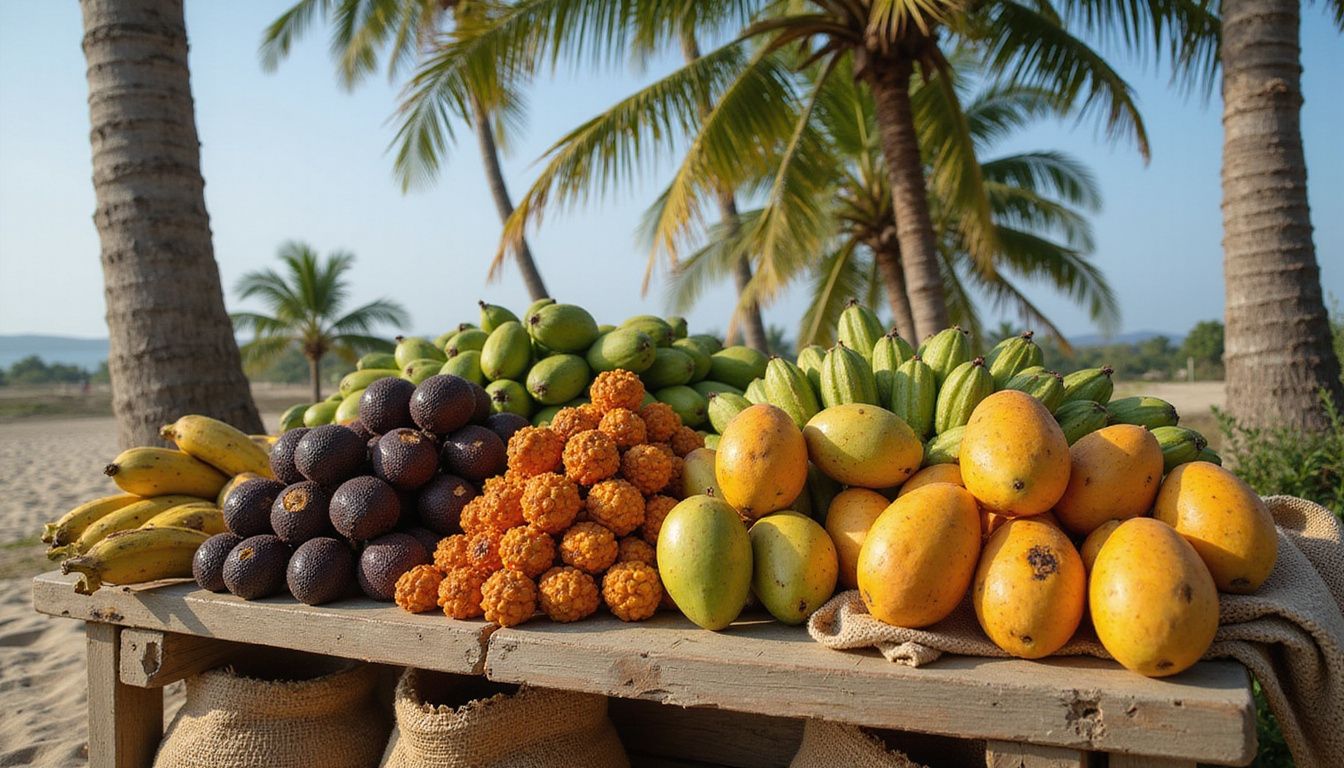
Most travelers to the Dominican Republic think the cuisine only offers rice and beans. They miss out on a rich culinary world filled with bold flavors and unique dishes. Dominican cuisine blends African, Spanish, and indigenous TaÃno influences to create unforgettable meals that go far beyond basic staples.
Dominican cooks use tropical ingredients like plantains, coconut, and fresh seafood to craft dishes that burst with Caribbean flavor. Traditional recipes passed down through generations showcase the island’s diverse cultural heritage.
This guide reveals 17 authentic Dominican foods that will transform your understanding of Caribbean cuisine. Get ready to discover flavors you never knew existed.
Key Takeaways
- Dominican cuisine blends African, Spanish, and indigenous TaÃno influences to create unique dishes far beyond rice and beans.
- La Bandera Dominicana serves as the national dish featuring white rice, red beans, and meat representing the flag colors.
- Sancocho stands as the crown jewel stew combining root vegetables, multiple meats, and aromatic herbs in rich broth.
- Plantains appear in multiple forms including mangú, mofongo, tostones, and maduros showcasing the fruit’s versatility in cooking.
- Traditional Dominican desserts like Habichuelas con Dulce transform beans into sweet treats during Lenten and Easter celebrations.
La Bandera Dominicana (The Dominican Flag)
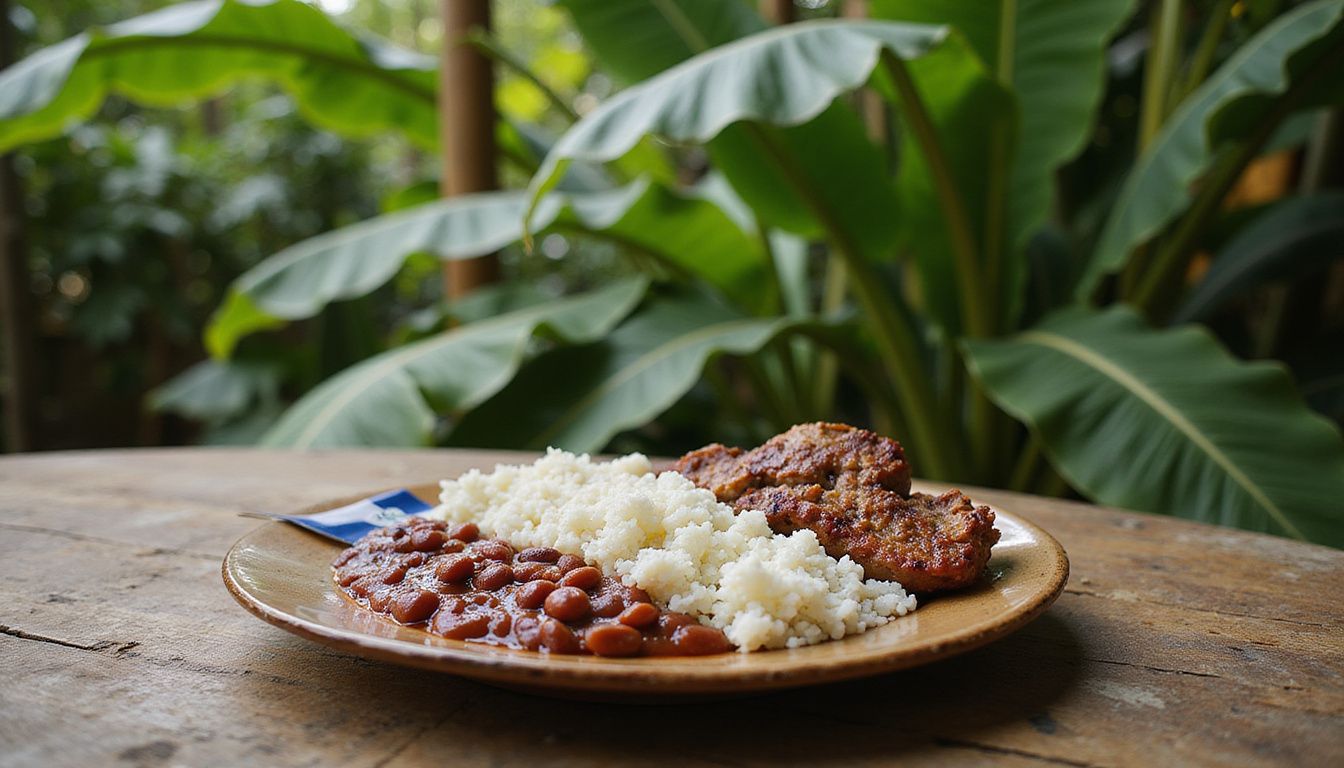
Dominican cuisine extends far beyond simple rice and beans to showcase the nation’s true culinary identity. La Bandera Dominicana stands as the cornerstone dish that symbolizes the vibrant culture of the Dominican Republic.
This iconic meal features white rice, red beans, and meat, creating a colorful plate that mirrors the national flag itself.
The flag represents national identity while reflecting the richness of Dominican cuisine through its symbolic colors. Red beans provide protein and fiber, white rice offers sustaining carbohydrates, and the meat component delivers essential nutrients that fuel daily life.
SimplyDominican.com highlights the connection between La Bandera Dominicana and the culinary experiences that define this Caribbean nation. The culinary diversity of the Dominican Republic shines through this traditional dish, which emphasizes the importance of food in cultural heritage and celebration.
Sancocho
Sancocho stands as the crown jewel of Dominican cuisine, representing a traditional dish that captures the essence of Caribbean food culture. This hearty stew brings together an impressive array of root vegetables, tender meats, and aromatic herbs in a rich, flavorful broth that has nourished families for generations.
The dish showcases the cultural heritage of the Dominican Republic through its complex blend of ingredients including yuca, plantain, calabaza, and various proteins like chicken, beef, and pork.
Each spoonful delivers a comfort food experience that reflects the island’s diverse culinary influences. The preparation requires patience and skill, as cooks layer flavors through careful timing and seasoning techniques passed down through Dominican families.
Simply Dominican recognizes Sancocho as an essential culinary experience for visitors exploring authentic Dominican gastronomy beyond the typical rice and beans offerings. The company features comprehensive articles about this beloved stew on SimplyDominican.com, helping travelers understand its significance in local food traditions.
Guests staying in Simply Dominican villas can experience this traditional dish firsthand, often prepared by local cooks who understand the nuances of proper Sancocho preparation. The stew represents more than just a meal; it embodies the communal spirit of Dominican dining where families gather around large pots of this nourishing comfort food.
The rich broth and tender vegetables create a satisfying meal that perfectly demonstrates why this dish remains central to Dominican culinary identity. Moving from this hearty stew, another beloved comfort food awaits exploration in the form of Mangú.
Mangú
Moving from the hearty richness of sancocho, Dominican breakfast tables showcase another beloved comfort food that defines the nation’s culinary identity. Mangú stands as a cornerstone of Dominican cuisine, transforming simple green plantains into a creamy, satisfying dish through careful boiling and mashing techniques.
This traditional staple food demonstrates the country’s remarkable culinary diversity while serving as the perfect foundation for a complete meal. Dominican families typically crown their mangú with fried eggs, crispy salami, or melted cheese, creating endless variations that suit different tastes.
The dish extends beyond breakfast hours, appearing on lunch and dinner tables throughout the Dominican Republic. Preparation involves boiling green plantains until tender, then mashing them into a smooth, comforting texture that pairs beautifully with various sides and toppings.
Mofongo
Mofongo stands as one of the most beloved dishes in Dominican cuisine, crafted from mashed green plantains that create a hearty and flavorful foundation. Chefs season this traditional dish with garlic, olive oil, and pork cracklings, which deliver a rich taste that captures the essence of Dominican culinary heritage.
The preparation involves mashing the plantains into a distinctive mound or ball shape, creating an impressive presentation that showcases the dish’s authentic character.
Dominican cooks often fill mofongo with protein options including shrimp, chicken, or beef, transforming the basic plantain base into a complete meal. Restaurants typically serve this dish alongside warm broth or savory sauce that complements the garlic-infused flavors perfectly.
Food enthusiasts consistently list mofongo among the must-try Dominican foods, as it represents the island’s ability to transform simple ingredients into extraordinary culinary experiences that reflect generations of cooking tradition.
Tostones and Maduros
Moving beyond the hearty mofongo, Dominican cuisine showcases another plantain masterpiece through two distinct preparations that highlight this versatile fruit’s range. Tostones represent the savory side of plantain cooking, featuring green plantains that undergo a twice-fried process to achieve their signature crispy texture and golden appearance.
These twice-fried green plantains serve as both a popular snack and essential side dish throughout the Dominican Republic, demonstrating the remarkable versatility of plantains in local cooking traditions.
Maduros offer a sweet contrast, using ripe plantains that caramelize during frying to create tender, golden pieces with natural sweetness. Both dishes reflect the rich culinary culture of the Dominican Republic and stand as must-try foods for visitors seeking to experience authentic Dominican cuisine beyond traditional rice and beans.
The contrasting flavors between crispy tostones and sweet maduros showcase how Dominican cooks transform simple ingredients into distinctive culinary experiences that define the nation’s flavorful food landscape.
Chicharrón de Cerdo (Fried Pork Belly)
Chicharrón de Cerdo stands as a cornerstone of Dominican cuisine, representing the country’s rich culinary traditions through its perfect blend of crispy texture and savory flavor.
This beloved fried pork belly dish captures the essence of traditional cooking methods that locals have perfected over generations. Dominicans transform simple pork belly into a crispy snack that delivers an exceptional gastronomic experience with every bite.
The dish showcases the Dominican Republic’s masterful use of pork in traditional cooking, emphasizing the bold, flavorful approach that defines the nation’s food culture.
Locals and tourists alike favor this appetizer for its satisfying crunch and rich taste that pairs beautifully with various sauces and sides. Chicharrón de Cerdo reflects the diverse gastronomic offerings that extend far beyond rice and beans, making it a must-try food for anyone exploring authentic Dominican flavors.
Restaurants across the country serve this crispy delight as both a standalone snack and a complement to larger meals, proving its versatility in Dominican dining. The preparation method creates a perfect contrast between the crispy exterior and tender interior, establishing this dish as an essential part of any culinary adventure in the Dominican Republic.
Pescado Frito offers another beloved protein option that showcases the island’s coastal influences.
Pescado Frito (Fried Fish)
Dominican cooks season fresh fish with local spices before frying it to golden perfection. This crispy seafood dish reflects the country’s strong maritime culture and coastal traditions.
Restaurants along the seaside serve this authentic Dominican cuisine alongside tostones or fresh salad. The fish develops a crunchy exterior while staying tender inside, creating the perfect texture contrast.
Family gatherings often feature this beloved fried fish as a centerpiece dish. Pescado Frito delivers authentic flavors that showcase Dominican hospitality at its finest. Seafood lovers find this crispy preparation irresistible, especially when enjoyed with traditional sides.
The dish represents generations of culinary expertise passed down through Dominican coastal communities.
Dominican Pastelitos (Savory Pastries)
After enjoying crispy fried fish, many Dominicans turn to another beloved comfort food that satisfies their craving for savory flavors. Dominican Pastelitos represent the rich culinary tradition of the Dominican Republic through their perfect blend of crispy exteriors and flavorful fillings.
These savory pastries are typically filled with a variety of ingredients, including meats and vegetables, creating a satisfying snack that appeals to all ages. The versatile empanadas can be fried or baked, offering different textures and flavors that suit various preferences and cooking methods.
Pastelitos are often enjoyed as snacks or appetizers in Dominican gatherings, making them essential party foods that bring families together. Street vendors across the country serve these golden pastries hot from their fryers, filling them with seasoned ground beef, chicken, cheese, or vegetables.
The crispy exterior gives way to warm, seasoned fillings that burst with authentic Dominican spices and herbs. These popular appetizers showcase the island’s Spanish colonial influence while maintaining their own distinct character that sets them apart from similar pastries found throughout Latin America.
Yaroa (Dominican Loaded Fries)
Moving from the crispy goodness of Dominican Pastelitos, another beloved street food creation takes center stage in the Dominican Republic’s vibrant culinary culture. Yaroa transforms simple fries into a hearty comfort food masterpiece that captures the essence of Dominican snacks.
This savory dish features a generous base of golden fries topped with various ingredients including meats, cheese, and flavorful sauces that create an explosion of taste in every bite.
Street vendors across the Dominican Republic serve this popular dish to both locals and visitors who crave authentic Dominican cuisine beyond traditional rice and beans. The toppings showcase the food variety that defines Dominican culinary traditions, with each vendor adding their unique twist to this beloved creation.
Yaroa reflects the diversity of Dominican cuisine while delivering the satisfying comfort food experience that makes it a must-try dish for anyone exploring the island’s rich gastronomic landscape.
Pollo Guisado (Braised Chicken)
Pollo Guisado stands as a cornerstone of traditional Dominican dish preparation. This braised chicken creation showcases the island’s rich culinary heritage through its masterful blend of spices and flavors.
Dominican cooks prepare this hearty meal using key ingredients like tomatoes, bell peppers, and onions. The cooking process transforms simple chicken into a flavorful masterpiece that represents authentic homecooked Dominican cuisine.
Restaurants and home kitchens across the Dominican Republic serve Pollo Guisado alongside rice, plantains, and other classic side dishes. This pairing demonstrates the importance of complementary flavors in Dominican food culture.
The dish earns its place among the top 17 Dominican foods that extend far beyond basic rice and beans. Families pass down recipes for this chicken stew through generations, preserving the authentic taste that defines Dominican spices and cooking traditions.
Asopao de Camarones (Shrimp Stew)
Asopao de Camarones stands as one of the 17 must-try Dominican foods that goes far beyond the typical rice and beans offerings. This traditional Dominican shrimp stew delivers a rich, flavorful broth that warms the soul with every spoonful.
Fresh shrimp serves as the primary protein, swimming in a hearty base that combines rice, colorful vegetables, and aromatic spices. The dish showcases the Dominican Republic’s incredible seafood heritage through its perfect balance of textures and bold flavors.
Dominican cooks prepare this beloved stew by slowly building layers of taste, creating a broth that captures the essence of coastal cuisine. Rice absorbs the savory liquid while maintaining a creamy consistency that distinguishes asopao from regular soup.
Vegetables add both nutrition and vibrant colors to each bowl, while carefully selected spices elevate the natural sweetness of the shrimp. This hearty traditional dish represents the culinary expertise passed down through generations of Dominican families, making it an essential experience for anyone exploring authentic Caribbean flavors.
Habichuelas con Dulce (Sweet Cream of Beans)
Moving from savory seafood dishes to sweet treats, Dominican cuisine offers surprising dessert options that challenge traditional expectations. Habichuelas con Dulce stands as one of the most unique desserts in Dominican culinary heritage, transforming ordinary beans into a creamy, sweetened delicacy.
This traditional dessert showcases the creative use of beans beyond savory dishes, proving that Dominican cooks excel at innovative flavor combinations.
Dominican families prepare this sweetened bean dessert during the Lenten season and Easter celebrations, making it a cornerstone of religious food traditions. The dish combines beans with coconut milk, cinnamon, and vanilla to create rich, creamy flavors that surprise first-time visitors.
Habichuelas con Dulce reflects the variety of foods available in the Dominican Republic, emphasizing how local cuisine extends far beyond rice and beans to include unexpected sweet preparations.
Dominican Arepa (Cornmeal Cake)
Dominican Arepa stands as a cornerstone of the country’s culinary heritage, representing centuries of traditional cooking methods passed down through generations. This cornmeal-based creation differs significantly from arepas found in Venezuela or Colombia, showcasing the unique regional variations that make Dominican cuisine special.
Local ingredients give this dish its distinctive flavor profile, with Dominican cooks using specific cornmeal varieties that create a texture unlike any other Latin American version.
Food culture experts consider Dominican Arepa essential for anyone seeking an authentic taste of the island’s gastronomy. The preparation method transforms simple cornmeal into a satisfying fritter that locals enjoy throughout the day.
This traditional dish represents one of the must-try foods that demonstrates how Dominican cooks elevate basic ingredients into memorable culinary experiences, proving that the country’s food scene extends far beyond the expected rice and beans combinations.
Chimichurri Burger
Dominican cuisine offers unique dishes that blend traditional flavors with modern twists. The Chimichurri Burger stands as a perfect example of this culinary creativity, combining classic burger elements with distinctive Dominican ingredients.
This innovative creation showcases the country’s cultural diversity through food experiences that surprise visitors. Local chefs craft these burgers with special Dominican chimichurri sauce, which differs from the Argentine version most people know.
SimplyDominican.com promotes this burger as part of the Dominican Republic’s expanding gastronomy scene. The platform highlights how this dish represents the evolution of local flavors beyond traditional offerings.
Food lovers discover that Dominican chimichurri features unique herbs and spices that create unforgettable holiday experiences. Restaurants across various regions now serve this fusion creation, making it accessible to tourists seeking authentic yet modern Dominican cuisine.
Next, discover the crispy delight of Queso Frito, a beloved fried cheese that locals enjoy as both snack and side dish.
Queso Frito (Fried Cheese)
Queso Frito stands as a beloved Dominican snack that locals and tourists enjoy throughout the country. This appetizer features cheese fried to perfection, creating a crispy exterior while maintaining a soft, melted interior.
Local eateries serve this comfort food as both a standalone snack and a side dish paired with traditional favorites like mangú or tostones.
This flavorful food showcases the Dominican passion for crispy textures and rich tastes that extend far beyond rice and beans. Preparation involves frying cheese until it reaches the ideal golden-brown color, resulting in a satisfying contrast between the crunchy outside and creamy center.
Street vendors and restaurants across the Dominican Republic feature this popular dish, making it easily accessible to anyone seeking authentic local cuisine. Coconut desserts offer another sweet dimension to Dominican culinary traditions.
Dulce de Coco (Coconut Dessert)
Dulce de Coco stands as a traditional Dominican coconut dessert that transforms fresh coconut, sugar, and spices into a sweet Caribbean treat. This beloved dessert showcases local ingredients and reflects the rich culinary influences found throughout the Caribbean region.
Local vendors sell this coconut creation in various forms, including convenient bars and bite-sized pieces that make perfect snacks for tourists and locals alike.
Dominican cuisine extends far beyond rice and beans, and Dulce de Coco proves this point with its authentic flavors and cultural significance. The dessert captures the essence of traditional Caribbean cooking while offering visitors a genuine taste of Dominican culture.
Sweet coconut flavors combine with aromatic spices to create a memorable treat that represents the island’s commitment to using fresh, local ingredients in their most cherished recipes.
Buñuelos (Fried Dough Balls)
Buñuelos represent one of the most beloved sweet treats in Dominican cuisine, showcasing the country’s rich culinary traditions through simple yet flavorful ingredients. These golden fried dough balls capture the essence of celebration food, appearing prominently during holiday seasons and special occasions across the Dominican Republic.
Dominican families prepare these delightful desserts using traditional recipes passed down through generations, creating perfectly crispy exteriors that give way to soft, airy centers.
Sweet syrup or honey transforms these humble fried dough creations into irresistible holiday treats that embody the Dominican emphasis on both sweet and savory flavors. The preparation process involves carefully shaping the dough into small balls before frying them to golden perfection, resulting in a snack that satisfies cravings for authentic Dominican flavors.
Culinary experts recognize buñuelos as an essential component of Dominican dessert culture, representing the country’s ability to elevate simple ingredients into memorable culinary experiences that extend far beyond traditional rice and beans.
Morir Soñando (Orange and Milk Drink)
Morir Soñando stands as one of the Dominican Republic’s most beloved beverages, combining fresh orange juice with creamy milk to create a refreshing drink perfect for hot Caribbean days.
This popular Dominican thirst-quencher balances the tartness of citrus with smooth milk, delivering a unique culinary experience that locals and visitors enjoy throughout the warmer months.
Local eateries and Dominican homes serve this cold beverage regularly, making it an essential part of the island’s diverse food culture.
The drink showcases the creative spirit of Dominican cuisine by transforming simple ingredients into something extraordinary. Orange juice provides the vibrant citrus base while milk adds richness and body to this cooling beverage.
Families across the Dominican Republic have perfected their own versions of this creamy drink, each adding their personal touch to this classic recipe that continues to refresh generations of Dominicans.
Next, discover the sweet indulgence of buñuelos, another treasured Dominican treat.
Dominican Customs That Surprise First-Time Visitors
Dominican customs around food create a vibrant social experience that catches many first-time visitors off guard. Family dining takes center stage in Dominican culture, with meals stretching for hours as relatives gather to share stories and laughter.
Street food vendors line busy corners, offering authentic Dominican flavors that locals trust more than fancy restaurants. Fresh ingredients arrive daily at local markets, creating a tradition of shopping for each meal rather than weekly grocery runs.
Music flows naturally during dining experiences, turning simple lunches into spontaneous celebrations that showcase the community spirit.
Sharing meals becomes an art form in Dominican households, where guests receive endless servings and warm hospitality that surprises many travelers. The communal aspect of dining highlights deep connections between family and friendship, making every meal a social event.
Gastronomy extends beyond just eating, as cooking together strengthens bonds within the community. Freshness drives daily food choices, with families visiting multiple vendors to select the best produce, meat, and seafood.
Celebration accompanies most meals, whether marking special occasions or simply enjoying another day together, creating a dining culture that values human connection over quick consumption.
Conclusion
These 17 Dominican dishes showcase the rich culinary heritage that extends far past the typical rice and beans stereotype. Each recipe tells a story of Caribbean tradition, blending tropical ingredients with time-honored cooking methods that create unforgettable flavors.
Ready to taste authentic Dominican cuisine during your next vacation? Simply Dominican can connect you with luxury villa rentals across eight stunning destinations where you can experience these traditional dishes firsthand while enjoying exceptional hospitality and worry-free travel planning.
Food becomes the gateway to understanding Dominican culture, and every bite reveals the passion and warmth of this beautiful Caribbean nation.
FAQs
1. What makes Dominican cuisine unique beyond traditional rice and beans?
Dominican cuisine features bold flavors through distinctive spice blends, tropical ingredients, and cooking techniques passed down through generations. The culinary tradition combines TaÃno, Spanish, and African influences to create dishes that showcase the island’s rich cultural heritage.
2. Which Dominican foods offer the most authentic taste experience for first-time visitors?
Mangu, pollo guisado, and tostones provide excellent introductions to authentic Dominican flavors. These staple dishes represent the foundation of Dominican home cooking and appear on most local restaurant menus.
3. How do Dominican cooking methods differ from other Caribbean cuisines?
Dominican chefs emphasize slow-braising techniques and sofrito-based seasonings that create deeper, more complex flavor profiles. The cuisine also incorporates more plantain preparations and yuca-based sides compared to neighboring Caribbean islands.
4. What should food enthusiasts know about Dominican meal timing and dining customs?
Dominicans typically eat their largest meal at midday, featuring hearty portions of meat, vegetables, and starches. Evening meals tend to be lighter, often consisting of fresh seafood or grilled meats accompanied by tropical fruits and local beverages.
)