
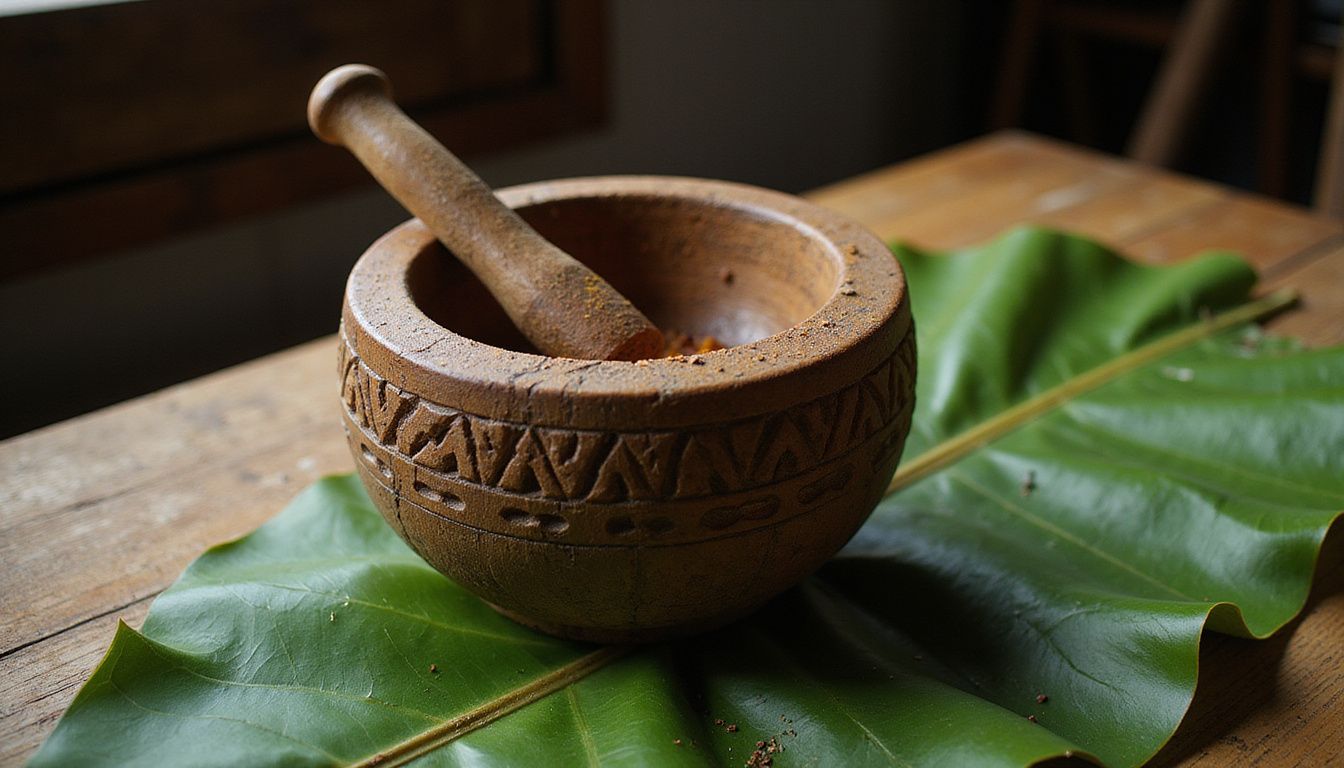
Many people visit the Caribbean and never realize they are experiencing ancient Indigenous culture. They eat familiar foods, hear common words, and see traditional art without knowing these come from the TaÃno people.
This rich heritage lives on in ways that surprise most travelers and locals alike.
Research from 2018 proved that TaÃno ancestry still exists in Caribbean communities today. The study showed that Indigenous DNA continues in the region’s population. This discovery confirms that TaÃno culture never truly disappeared.
It adapted and blended with other traditions over hundreds of years.
This guide reveals 12 powerful ways TaÃno influence shapes modern Caribbean life. You will discover how Indigenous language, customs, and practices touch your daily experience. From the words you speak to the food you eat, TaÃno heritage surrounds you.
Your next Caribbean adventure will never look the same.
Key Takeaways
- TaÃno language survives in common English words like hurricane, hammock, barbecue, and canoe, plus geographic names like Haiti from “Ayiti.”
- Essential Caribbean crops including cassava, sweet potatoes, maize, and beans originated from TaÃno agriculture and remain dietary staples today.
- Traditional TaÃno farming techniques using multi-crop methods continue influencing sustainable agriculture practices across the modern Caribbean region.
- Ancient TaÃno symbols like Sol de Jayuya appear in contemporary tattoos, jewelry, and artwork throughout Puerto Rico and Caribbean communities.
- Research from 2018 confirmed TaÃno DNA persists in Caribbean populations, proving Indigenous ancestry continues in modern communities today.
Language
The TaÃno language lives on through everyday words that millions of people use without realizing their ancient origins. Modern Spanish and English speakers regularly use terms that trace back to Indigenous Caribbean communities, creating an invisible bridge between past and present cultures.
Words like hurricane (huracán), hammock (hamaca), and barbecue (barbacoa)
Many English words trace their roots directly to the TaÃno language, showing how Indigenous vocabulary survived centuries of colonization. Hurricane comes from the TaÃno word “huracán,” which described the powerful storms that swept through the Caribbean.
Hammock derives from “hamaca,” the woven sleeping nets that TaÃno people created for comfort and protection. Barbecue stems from “barbacoa,” their method of slow-cooking meat over wooden frames.
Other common terms like canoe (canoa) and tobacco also entered global vocabulary through TaÃno heritage. These words spread beyond the Caribbean as Spanish explorers carried TaÃno language across the world.
Modern Spanish speakers still use these Indigenous terms daily, creating a Spanish-TaÃno creole that preserves ancient culture. Each word represents a bridge between past and present, keeping TaÃno influence alive in contemporary conversation.
The origin of the name Haiti from the TaÃno word Ayiti
The name Haiti stems directly from the TaÃno word Ayiti, which means “land of mountains.” This Indigenous term perfectly describes the mountainous terrain that defines much of the Caribbean nation’s landscape.
The TaÃno people inhabited the island of Hispaniola long before European colonization, and their language left a lasting mark on the region’s vocabulary. Their word Ayiti captured the essence of the island’s dramatic topography, with its towering peaks and rugged highlands.
TaÃno linguistic heritage extends far beyond this single geographic reference. The Indigenous language has influenced both English and Spanish vocabulary throughout the Caribbean region.
Modern Caribbean societies now recognize the historical legacy of the TaÃno people and their cultural contributions. The preservation of the name Haiti serves as a daily reminder of the Indigenous roots that shaped the island’s identity.
This linguistic connection demonstrates how Indigenous culture continues to influence contemporary Caribbean life, even centuries after the TaÃno civilization flourished across these mountainous lands.
Cuisine
TaÃno culinary traditions form the foundation of modern Caribbean cooking through essential ingredients that transformed global food culture. These ancient agricultural practices introduced sustainable farming methods that continue to nourish communities across the Caribbean and beyond today.
Staple foods like cassava (yuca), sweet potatoes, maize, and beans
Indigenous peoples cultivated essential crops that remain central to Caribbean cuisine today. Cassava (yuca), sweet potatoes, maize (corn), tomatoes, and beans formed the foundation of TaÃno agriculture and continue as dietary staples across the region.
These crops showcase remarkable diversity in cultivation methods that Indigenous communities perfected over centuries. Modern Caribbean families still prepare traditional dishes using these same ingredients their ancestors grew.
Traditional agricultural methods involving diverse crop cultivation persist throughout the Caribbean today. Farmers continue practicing Indigenous techniques that maximize yield while maintaining soil health.
Heritage preservation efforts highlight how these staples connect modern communities to their ancestral roots. Cultural identity remains deeply tied to these foods, as families pass down recipes and farming knowledge through generations.
Influence on modern Caribbean and global culinary practicesThese staple foods from TaÃno agriculture have shaped modern Caribbean and global culinary practices in profound ways. Cassava, sweet potatoes, maize, tomatoes, and beans remain integral to modern Caribbean diets today.
Restaurants worldwide now feature these traditional ingredients on their menus. The TaÃno language continues to influence culinary terminology across cultures. Words like “barbecue” come from the TaÃno word “barbacoa,” while “tobacco” also derives from their vocabulary.
Traditional farming practices from Indigenous peoples still guide agricultural methods throughout the Caribbean region. Farmers focus on diverse crop cultivation techniques that maximize agricultural diversity.
Local ingredients and natural cooking methods reflect traditional medicinal practices found in rural communities. TaÃno fishing techniques and traditional names for marine life continue to impact local culinary practices.
The survival of these culinary influences demonstrates the ongoing relevance of Indigenous culture in both Caribbean and global food culture.
Farming Practices
Indigenous farmers developed sophisticated agricultural systems that modern growers still use across the Caribbean region today. These traditional multi-crop methods create sustainable food production while protecting soil health through centuries-tested practices.
Traditional multi-crop agricultural methods
Traditional multi-crop agricultural methods formed the backbone of TaÃno farming practices across the Caribbean. These sustainable agriculture techniques involved cultivating cassava, sweet potatoes, maize, tomatoes, and beans together in carefully planned plots.
Crop diversity allowed farmers to maximize yields while protecting soil health through natural nutrient cycling. The TaÃno people developed extensive knowledge of local environments, understanding which staple crops grew best in different conditions and seasons.
Heritage farming practices from this era continue to influence modern Caribbean agriculture today. Traditional knowledge passed down through generations still guides farmers in selecting appropriate cultivation techniques for their land.
Food security improved dramatically when multiple crops grew together, as families could harvest different foods throughout the year. Agroecology principles that the TaÃno mastered centuries ago now inspire contemporary sustainable farming movements across the region.
These time-tested methods prove that Indigenous farming wisdom remains relevant for today’s agricultural challenges, leading naturally to their profound influence on traditional medicine practices.
Sustainable Indigenous farming techniques still in use
Indigenous farming techniques promote biodiversity and crop diversity across Caribbean agricultural systems. These sustainable agriculture methods emphasize diverse crop cultivation, helping maintain staple foods like cassava, sweet potatoes, and maize in modern diets.
Agroecology principles guide farmers who use permaculture practices passed down through generations. Indigenous knowledge supports food sovereignty by teaching communities how to work with local ecosystems rather than against them.
Ethnobotany plays a crucial role in these ecological farming systems, where traditional knowledge helps farmers understand which plants grow best together. Knowledge of local flora enhances both farming practices and natural medicines in rural communities.
Taino influences demonstrate deep understanding of ecology, promoting sustainable land use that protects soil health and water resources. Integration of these Indigenous farming techniques supports food security while preserving cultural heritage in modern Caribbean societies.
These time-tested methods continue to influence traditional medicine practices across the region.
Traditional Medicine
Traditional medicine practices from Indigenous and TaÃno heritage continue to thrive across Caribbean communities today. Curanderos and healers pass down centuries-old knowledge of medicinal plants, creating natural remedies that modern practitioners still value for their healing properties.
Use of natural remedies and curanderos (healers)
Caribbean communities rely heavily on curanderos, local healers who possess extensive knowledge of medicinal plants and natural remedies. These skilled practitioners serve rural areas where modern healthcare remains limited or inaccessible.
Curanderos draw from generations of Indigenous knowledge, particularly TaÃno wisdom about local flora’s healing properties. Their expertise covers everything from common ailments to complex spiritual healing practices that address both physical and emotional wellness.
Natural medicine practices reflect the enduring influence of Indigenous cultures throughout the Caribbean region. Folk healing traditions have merged with other religious practices, creating a syncretic approach to community health that combines ethnobotany with spiritual elements.
The cultural heritage of the TaÃno persists through these medicinal practices, which continue to play vital roles in preserving Indigenous roots and identity. Active engagement in these healing methods ensures that traditional knowledge passes to future generations while maintaining strong connections to ancestral wisdom.
Knowledge of medicinal plants passed through generations
Indigenous healing traditions continue to thrive in rural Caribbean communities through the dedicated work of curanderos, local healers who preserve ancestral knowledge of medicinal plants.
These traditional practices maintain their relevance as knowledge passes from one generation to the next, creating an unbroken chain of ethnobotanical wisdom. TaÃno influences remain visible in the therapeutic use of plants like cassava and tobacco for health-related purposes, demonstrating the enduring power of folk medicine.
Rural communities across the Caribbean still rely on natural remedies derived from local flora, with healers maintaining deep understanding of plant properties and healing traditions.
The cultural heritage of Indigenous communities ensures that medicinal herbs continue to serve modern populations, bridging ancient practices with contemporary health needs. This transmission of ancestral knowledge represents a living testament to the resilience of traditional medicine, as curanderos pass down their expertise through direct teaching and hands-on experience with healing plants.
Fishing Techniques
TaÃno fishermen developed sophisticated techniques that Caribbean communities still use today. These traditional methods help preserve marine ecosystems while maintaining cultural connections to ancestral fishing practices.
Traditional names for marine species like tiburón (shark)
Traditional names for marine species like tiburón (shark) show how Indigenous knowledge lives on in modern fishing practices. Caribbean coastal communities still use these ancient terms that their ancestors passed down through generations.
Fishermen across the region rely on TaÃno words to identify different fish and marine creatures they catch daily. This linguistic legacy connects present-day fishing practices to ancestral traditions that shaped Caribbean culture.
Indigenous fishing techniques have been preserved alongside these traditional names, maintaining cultural heritage in coastal areas. The persistence of names like tiburón emphasizes the strong connection to Indigenous heritage and cultural identity among fishing communities.
Marine biodiversity knowledge from TaÃno ancestors helps modern fishers understand their local waters better. These traditional ecology practices support conservation efforts while honoring the wisdom of Indigenous peoples who first explored Caribbean seas.
Preservation of fishing methods and practices
Beyond naming marine life like tiburón, Indigenous communities have maintained their ancestral fishing wisdom through generations of careful practice. These time-tested methods reflect deep understanding of local marine ecosystems and seasonal patterns that modern fisheries management now recognizes as essential for sustainable fishing practices.
TaÃno fishing techniques using nets, traps, and handlines remain integral to Caribbean cultural heritage today. Fishing knowledge passed down through families includes precise timing for different species, optimal locations based on weather patterns, and construction methods for traditional equipment.
This indigenous knowledge supports both environmental conservation and community practices that sustain coastal populations. Modern aquaculture and ethnobiology studies increasingly validate these ancient approaches, proving their effectiveness in maintaining healthy fish populations while preserving the cultural identity of fishing communities across the Caribbean region.
Craftsmanship
TaÃno artisans developed sophisticated techniques for creating essential tools and decorative items that continue to influence Caribbean craftsmanship today. Modern craftspeople still use traditional methods for basket weaving and canoe construction, adapting ancient Indigenous knowledge with contemporary materials to preserve this cultural heritage.
Basket weaving and canoe-making (cayuco)
Basket weaving and canoe-making (cayuco) represent essential craftsmanship skills that survive today in Dominica and Puerto Rico. These traditional techniques showcase the artistry and cultural heritage of the TaÃno people.
Artisans continue practicing plaited basket weaving methods passed down through generations. Modern craftspeople have adapted these Indigenous techniques to work with contemporary materials while preserving their cultural significance.
The maritime traditions of canoe-making remain vital to Caribbean coastal communities.
Cayuco construction demonstrates the sophisticated woodworking knowledge of Indigenous peoples. Local artisans still build these traditional vessels using time-tested methods. The craftsmanship supports recognition of TaÃno heritage across the Caribbean region today.
These handicrafts connect modern communities to their ancestry and folklore. Both basket weaving and canoe-making serve as living examples of how Indigenous traditions adapt while maintaining their core identity.
The persistence of these craft traditions proves the lasting influence of TaÃno culture on contemporary Caribbean life.
Adaptation of Indigenous techniques using modern materials
Modern artisans in Dominica and Puerto Rico continue the ancient TaÃno traditions of basket weaving and canoe making while embracing contemporary materials. These skilled craftspeople maintain traditional techniques passed down through generations but now incorporate synthetic fibers, modern adhesives, and treated woods that offer greater durability and weather resistance.
This material innovation allows craftspeople to preserve their cultural heritage while meeting today’s practical demands.
Craft resilience shows through the creative adaptation of ethnographic methods that honor ancestral knowledge. Contemporary art forms now blend native craftsmanship with modern tools and materials, creating products that serve both functional and cultural purposes.
Artisanal skills remain strong as communities balance sustainable practices with the need for economic viability, proving that traditional crafts can thrive in the modern marketplace without losing their authentic character.
Art and Symbolism
TaÃno petroglyphs and symbols continue to inspire contemporary Caribbean artists who incorporate these ancient designs into modern tattoos, jewelry, and artwork. The Sol de Jayuya, representing the TaÃno sun god, appears frequently in Puerto Rican art and serves as a powerful symbol of indigenous heritage that connects present-day communities to their ancestral roots.
Use of TaÃno petroglyphs and symbols in tattoos, art, and jewelry
TaÃno petroglyphs and symbols have found new life in contemporary tattoos, art, and jewelry across the Caribbean. The Sol de Jayuya, an ancient sun god symbol, appears frequently in modern artistic expressions throughout Puerto Rico, the Dominican Republic, and Cuba.
These sacred designs serve as powerful markers of cultural identity for people seeking to connect with their ancestral heritage. Artists and tattoo enthusiasts incorporate these indigenous symbols to honor their spiritual practices and preserve ancient traditions.
Modern communities actively integrate these ancestral symbols into contemporary artistic expressions, creating a bridge between past and present. People express pride in their TaÃno heritage through permanent body art, handcrafted jewelry, and visual artwork that features these meaningful designs.
The preservation of these symbols reflects the ongoing relevance of indigenous culture in daily life. Artists use traditional petroglyphs to create unique pieces that celebrate ancestry while appealing to those who value authentic cultural symbolism.
Popular symbols like the Sol de Jayuya (sun god symbol)
The Sol de Jayuya stands as one of the most recognizable symbols from TaÃno heritage, representing the powerful sun god in Indigenous beliefs. This ancient symbol appears across Puerto Rico, the Dominican Republic, and Cuba through contemporary art, jewelry, and modern tattoos.
Artists and craftspeople integrate this sacred imagery into their work, creating a bridge between ancestral practices and current cultural identity. Communities actively preserve these meaningful symbols as part of their ongoing efforts to maintain TaÃno heritage.
Ancient ceremonial sites along the TaÃno Route in Puerto Rico feature petroglyphs displaying the Sol de Jayuya, connecting modern individuals directly to their Indigenous roots. The symbol’s spiritual significance extends beyond art into syncretic religious practices, where Indigenous beliefs blend with other faiths through reverence for zemis and traditional spiritual beings.
Caribbean culture reflects this TaÃno influence through music, celebrations, language, and sports, with the Sol de Jayuya serving as a visual reminder of this rich cultural foundation that continues to shape regional identity today.
Ceremonial Sites
Ancient ceremonial sites across Puerto Rico and the Caribbean preserve sacred TaÃno spaces where indigenous communities once gathered for spiritual rituals and community celebrations.
These archaeological treasures connect modern Caribbean peoples to their ancestral heritage, offering tangible links to pre-Columbian traditions that shaped regional cultural identity for centuries.
Preservation of ancient ceremonial sites in Puerto Rico and beyond
Puerto Rico maintains several ancient ceremonial sites along the Taino Route that connect modern visitors to ancestral practices. These preserved locations showcase original petroglyphs carved into stone surfaces centuries ago.
Archaeological teams work to protect these heritage sites from environmental damage and urban development. The ceremonial grounds serve as living museums where people can experience Indigenous culture firsthand.
Communities across Puerto Rico, the Dominican Republic, and Cuba actively preserve their Taino ancestry through cultural initiatives. Local organizations document traditional rituals and maintain sacred spaces for future generations.
These preservation efforts ensure that Indigenous identity remains strong in Caribbean culture today. Research shows the ongoing connection between modern populations and their Taino roots, making these ceremonial sites vital links to the past.
Connection to ancestral spiritual practices
These sacred sites serve as powerful bridges to ancestral spiritual practices that continue to shape Caribbean identity today. Ancient ceremonial grounds along the Taino Route in Puerto Rico remain active spaces where communities connect with their Indigenous spirituality and cultural heritage.
Modern practitioners visit these locations to honor traditional practices and maintain spiritual bonds with their ancestors.
Ceremonial rituals performed at these sites blend ancient wisdom with contemporary expressions of faith. The Sol de Jayuya and other Taino petroglyphs found at these locations guide spiritual identity formation for many Caribbean people.
Heritage preservation efforts ensure that ancestral worship traditions survive through organized community gatherings and cultural education programs that teach younger generations about their Indigenous roots.
Cultural Identity
Today, millions of people across Puerto Rico, Cuba, and the Dominican Republic embrace their TaÃno ancestry as a source of pride and cultural strength. Modern revivalist communities actively work to preserve ancient traditions through language classes, cultural workshops, and ceremonial practices that connect contemporary Caribbean populations to their Indigenous roots.
Pride in TaÃno heritage in Puerto Rico, Cuba, and the Dominican Republic
People across Puerto Rico, Cuba, and the Dominican Republic actively express pride in TaÃno heritage as a core part of their cultural identity. This acknowledgment of Indigenous roots shapes how communities view their ancestry and connects them to their pre-Columbian past.
Genetic evidence shows Indigenous ancestry in modern populations throughout these Caribbean islands, making TaÃno traditions more meaningful to preserve.
Revivalist communities work hard to keep TaÃno culture alive through art, language, and spiritual practices. These groups organize cultural events that celebrate Indigenous legacy and teach younger generations about their ancestral connections.
The movement to honor TaÃno heritage has grown stronger in recent decades, with more people embracing symbols, traditions, and stories from their Indigenous ancestors.
Revivalist communities working to preserve TaÃno culture
Revivalist communities across Puerto Rico, the Dominican Republic, and Cuba work tirelessly to preserve their Indigenous heritage. These groups actively advocate for cultural recognition while maintaining ancestral traditions that connect them to their TaÃno roots.
Community members take immense pride in their Indigenous identity and refuse to let their legacy fade into history. The Caribbean Indigenous Legacies Project provides crucial frameworks for understanding TaÃno heritage within today’s multiethnic society.
This organization emphasizes Indigenous perseverance and helps people reconnect with their ancestral culture.
Modern TaÃno communities focus on passing down traditional knowledge to younger generations through storytelling, ceremonies, and cultural education programs. Activists organize festivals and cultural events that showcase authentic TaÃno practices, from traditional crafts to spiritual ceremonies.
Many community leaders collaborate with universities and cultural institutions to document oral histories and preserve ancient customs. These preservation efforts ensure that TaÃno identity remains vibrant and relevant in contemporary Caribbean society.
The dedication of these revivalist communities creates a strong foundation for exploring how Indigenous traditions continue to shape modern music and celebrations throughout the region.
Music and Celebrations
Indigenous rhythms pulse through Caribbean music today, creating the foundation for genres like merengue, salsa, and traditional Haitian folk songs. Modern festivals across Puerto Rico, Cuba, and the Dominican Republic incorporate ancient TaÃno ceremonial elements, blending ancestral customs with contemporary celebrations that honor this rich cultural heritage.
Indigenous influence in Haitian music and festivals
Taino beliefs have merged with other religions, including Vodou, creating unique syncretic practices in festivals across Haiti. This cultural heritage blends ancient spiritual traditions with modern celebrations, producing distinctive musical expressions that honor ancestral roots.
Haitian music incorporates rhythmic patterns and ceremonial elements that trace back to pre-Columbian times. These festivals showcase how Indigenous influence continues to shape contemporary cultural identity through sound, dance, and ritual practices.
Taino petroglyphs and symbols appear frequently in contemporary art featured during Haitian festivals and celebrations. Musicians often incorporate traditional instruments and melodies that reflect this deep cultural connection.
The syncretism between Indigenous beliefs and other religious practices creates powerful musical narratives that tell stories of survival and adaptation. Indigenous culinary practices, such as the use of staple foods, contribute to the cultural aspects of Haitian festivals, making these events complete sensory experiences that celebrate both heritage and community.
Integration of TaÃno traditions in modern cultural events
Caribbean communities across Cuba, the Dominican Republic, and Puerto Rico actively integrate TaÃno traditions into their modern cultural events and celebrations. Music festivals throughout these islands feature rhythmic patterns and instruments that trace back to pre-Columbian heritage, creating vibrant displays of cultural identity.
Traditional TaÃno beliefs have merged with other religions, producing unique syncretic practices that appear in contemporary celebrations and rituals.
Art exhibitions and cultural festivals prominently showcase TaÃno petroglyphs and symbols, which artists incorporate into tattoos, jewelry, and modern artwork to reinforce their cultural identity.
Community efforts to preserve TaÃno heritage highlight the importance of maintaining these ancestral connections in modern celebrations. Culinary traditions featuring cassava and maize continue to shape Caribbean diets, with food festivals celebrating these indigenous ingredients that form the foundation of regional cuisine.
Syncretic Religions
Indigenous spiritual beliefs merged with African and European religions to create powerful new faiths across the Caribbean. These syncretic traditions honor ancient TaÃno zemis alongside Christian saints and African deities, preserving ancestral wisdom through modern religious practices.
Reverence for zemis (spiritual beings) in Vodou and other faiths
Zemis hold sacred power in Caribbean spirituality today. These spiritual beings from TaÃno culture have merged with Vodou and other AfroCaribbean religions across the region. The integration of zemis into Vodou shows how Indigenous and African spiritual beliefs blend together.
This syncretism creates unique ritual practices that honor ancestral spirits through different cultural lenses.
Caribbean spirituality continues to acknowledge zemis in Puerto Rico, the Dominican Republic, and Cuba. Ongoing research shows the significance of these spiritual beings in understanding modern religious practices.
The persistence of Indigenous elements through zemi reverence reflects deep cultural heritage that survives centuries of change. Various spiritual practices in syncretic religions still show the influence of these ancient TaÃno beliefs.
Blending of Indigenous beliefs with other religious practices
Indigenous beliefs have blended with Vodou practices, creating unique spiritual syncretism across Caribbean communities. This cultural fusion combines TaÃno spiritual beliefs with other religions and continues to influence modern religious practices.
Zemis, the spiritual beings from Indigenous traditions, integrate into contemporary religious expressions and community rituals. The preservation of Indigenous heritage contributes directly to these blended spiritual practices in modern contexts.
Music and celebrations in regions with Indigenous influence showcase this religious integration through traditional beliefs mixed with other faith systems. These ongoing syncretic traditions reflect the deep fusion of Indigenous spirituality with various cultural beliefs across different communities.
Heritage preservation efforts maintain these celebratory traditions while allowing natural evolution of religious practices. Elements of Indigenous spirituality remain visible in contemporary Vodou ceremonies and other faith expressions throughout the Caribbean region.
Ball Games
The TaÃno ball game batey served as a precursor to modern Caribbean sports culture, particularly influencing the region’s passion for baseball. This ancient sport carried deep spiritual significance and community bonding elements that continue to shape how Caribbean societies view athletic competition and cultural identity today.
The TaÃno ball game batey as a precursor to modern sports like baseball
Sports historians trace modern baseball’s roots to various sources, including the ancient TaÃno ball game called batey. This Indigenous sport featured teams competing on rectangular courts using rubber balls, much like today’s baseball diamonds.
Players used their hips, shoulders, and elbows to keep the ball in motion, demonstrating remarkable athletic skill and coordination. Research indicates the TaÃno originated from the South American Arawak population, bringing this sporting tradition to Caribbean islands centuries before European contact.
Caribbean nations like the Dominican Republic, Puerto Rico, and Cuba show exceptional baseball talent today, possibly reflecting their deep-rooted sporting heritage. Batey served as more than entertainment; it held religious and social significance within TaÃno communities.
Modern baseball’s popularity in these regions may stem from this ancestral connection to ball games. Indigenous ancestry continues to exist in the Caribbean, highlighting the lasting impact of TaÃno heritage on contemporary sports culture.
This ancient tradition represents part of a broader cultural legacy that includes craftsmanship, cuisine, and traditional farming practices still evident today.
Cultural significance of sports in the Caribbean today
Sports carry deep cultural significance across the Caribbean today, with roots tracing back to the ancient TaÃno ball game called batey. This traditional game shaped the foundation for baseball’s massive popularity in the Dominican Republic, Puerto Rico, and Cuba.
Modern Caribbean communities embrace their Indigenous heritage through sports, creating a powerful connection between past and present traditions. Baseball stadiums throughout these islands serve as gathering places where cultural identity flourishes and community bonds strengthen.
TaÃno symbols appear on contemporary sports merchandise and team logos, reinforcing the lasting legacy of Indigenous culture. The batey game’s emphasis on sportsmanship and ritual continues to influence how Caribbean athletes approach competition today.
Folklore surrounding ancient ball games gets passed down through generations, keeping Indigenous traditions alive in modern sporting events. This multiethnic blend of cultures creates a unique sporting landscape that celebrates both Indigenous roots and contemporary achievements.
These deep connections between ancient traditions and modern athletics lead us to examine how syncretic religions have similarly preserved Indigenous spiritual practices.
Outdoor Adventures Beyond Dominican Beaches (Link to https://www. example. com/15-outdoor-adventures-beyond-dominican-beaches/)
The Dominican Republic offers incredible outdoor adventures that showcase Indigenous and TaÃno influences throughout its mountainous terrain. Ecotourism activities like hiking through ancient trails reveal petroglyphs and ceremonial sites where TaÃno communities once thrived.
Adventure seekers can explore waterfalls that held spiritual significance for Indigenous peoples, while canyoning and ziplining provide modern thrills in landscapes rich with cultural heritage.
These nature-based experiences connect visitors to the same mountains and rivers that sustained TaÃno civilizations for centuries.
Wildlife observation and exploration opportunities allow travelers to discover medicinal plants that Indigenous healers still use today. Mountain expeditions lead to caves adorned with TaÃno artwork and symbols that continue to inspire contemporary Caribbean culture.
Many outdoor guides share traditional knowledge about native flora and sustainable farming practices passed down through generations. These adventures offer authentic connections to Indigenous wisdom while providing exciting alternatives to typical beach vacations in the Caribbean region.
Conclusion
TaÃno heritage lives on through language, cuisine, art, and spiritual practices that shape Caribbean culture today. These ancient influences prove that Indigenous ancestry remains strong across Puerto Rico, Cuba, and the Dominican Republic despite centuries of colonization.
Modern communities actively preserve traditional farming methods, medicinal knowledge, and ceremonial sites that connect people to their ancestral roots. Exploring outdoor adventures beyond Dominican beaches offers travelers authentic experiences with Indigenous legacy sites and cultural practices.
Caribbean identity flourishes because Indigenous traditions continue to blend with contemporary life, creating a rich cultural tapestry that honors both past and present.
Explore the natural beauty and cultural history with these 15 Outdoor Adventures Beyond Dominican Beaches.
FAQs
1. What are the most visible TaÃno influences in modern Caribbean culture?
TaÃno agricultural practices remain central to Caribbean farming, with crops like cassava, sweet potatoes, and maize forming dietary staples across the region. Traditional cooking methods, including the use of clay vessels and outdoor grilling techniques, continue in rural communities. Many place names throughout the Caribbean islands preserve original TaÃno terminology.
2. How do Indigenous practices impact contemporary environmental management?
Indigenous fire management techniques now guide modern wildfire prevention strategies across North America. Traditional crop rotation systems help farmers maintain soil health without chemical fertilizers. Water conservation methods developed by Native tribes inform current drought management policies in southwestern states.
3. Which Indigenous languages still influence modern vocabulary?
Over 1,000 English words derive from Native American languages, including common terms like “hurricane,” “tobacco,” and “hammock.” Regional dialects in areas with strong Indigenous populations incorporate traditional phrases and pronunciation patterns. Technical terminology in fields like botany and geography frequently uses Indigenous plant and location names.
4. What role do Indigenous governance structures play in current political systems?
The Haudenosaunee Confederacy’s democratic principles directly influenced the United States Constitution’s framework. Tribal council decision-making processes inform modern consensus-building techniques in corporate and municipal settings.
