
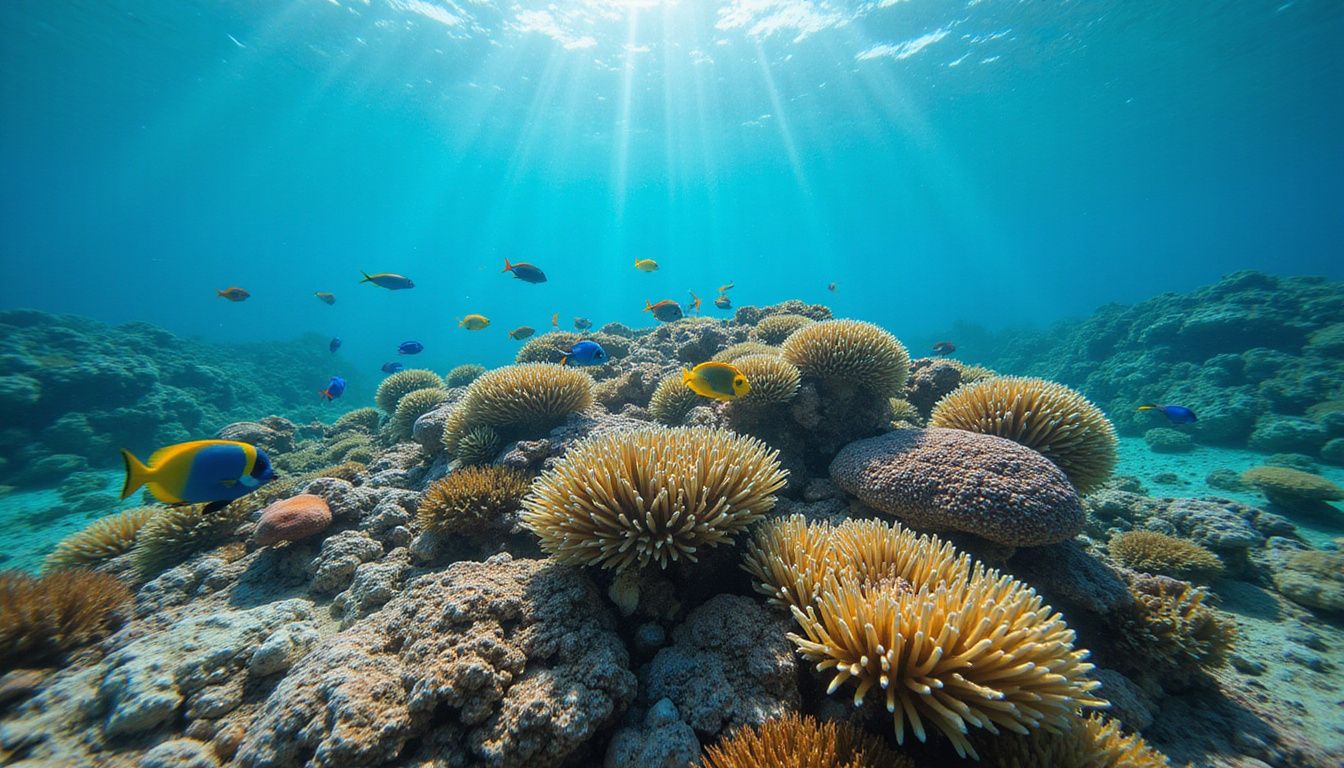
Many travelers seek authentic experiences that connect them with nature’s wonders. Yet finding destinations that balance tourism with serious environmental protection can feel overwhelming.
The Dominican Republic stands out as a Caribbean nation that takes conservation seriously, protecting diverse ecosystems from mountains to coral reefs.
The Dominican Republic has designated 35.6% of its marine resources as protected areas, showing its strong commitment to preserving natural treasures. This island nation safeguards everything from whale sanctuaries to cloud forests, creating a network of protected spaces that support both wildlife and sustainable tourism.
Our guide explores ten remarkable environmental treasures that showcase how this Caribbean destination protects its natural heritage while welcoming visitors.
These protected areas offer you the chance to experience untouched wilderness and rare species. Get ready to discover nature’s hidden gems.
Key Takeaways
- The Dominican Republic protects 35.6% of its marine resources as designated protected areas, leading Caribbean conservation efforts.
- Ten major environmental treasures include Jaragua National Park, Los Haitises mangroves, Valle Nuevo watersheds, and Samaná whale sanctuary.
- The country earned 26 Blue Flag beach certifications, the highest number in the Caribbean region for environmental standards.
- Conservation efforts protect unique ecosystems from cloud forests to coral reefs, supporting endemic species and biodiversity preservation.
- Community engagement and ecotourism initiatives balance environmental protection with sustainable economic development for local residents.
Jaragua National Park
The Dominican Republic stands as a guardian of remarkable natural treasures across its diverse landscapes. Jaragua National Park represents one of the nation’s most significant protected areas, spanning vast territories in the southwestern region where dry forests create distinctive ecosystems unlike anywhere else in the Caribbean.
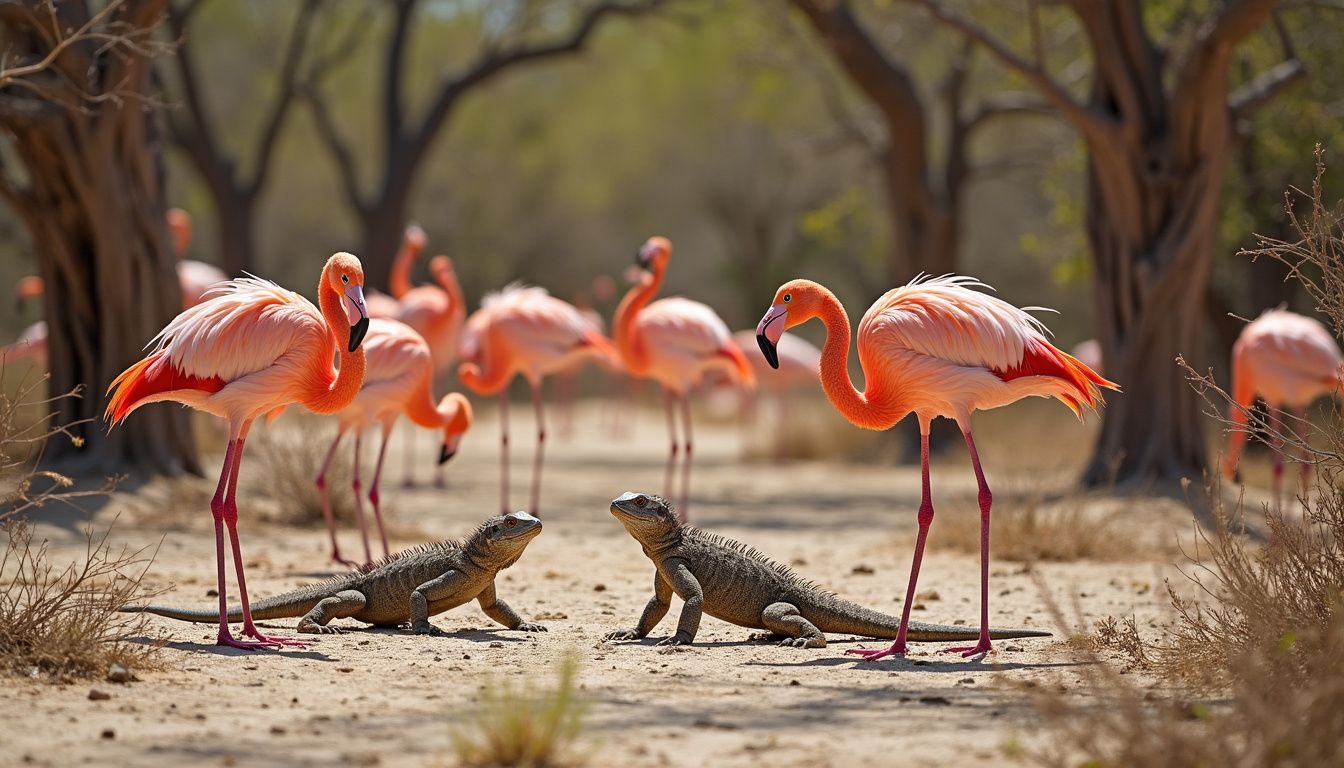
This extraordinary conservation area showcases the country’s commitment to preserving 35.6% of its marine resources while protecting critical terrestrial habitats. Flamingo populations thrive within the park’s boundaries, creating spectacular displays of pink-hued birds against the arid landscape.
Iguanas roam freely through the dry forest terrain, representing just one example of the unique wildlife that calls this protected sanctuary home. The park serves as a cornerstone for biodiversity conservation efforts, supporting countless avian species and flora and fauna that depend on this specialized ecosystem for survival.
Environmental protection initiatives within Jaragua National Park contribute directly to ecosystem preservation and provide valuable opportunities for environmental education programs that benefit both local communities and international visitors.
Los Haitises National Park
Los Haitises National Park stands as one of the Dominican Republic’s most vital protected areas, showcasing an extraordinary blend of mangroves, limestone caves, and diverse bird species that create unique ecological niches.
This remarkable ecosystem serves as a cornerstone of the nation’s biodiversity conservation efforts, protecting countless species of flora and fauna that call this region home. Marine resources within the park receive special protection status, reflecting the country’s commitment to environmental preservation.
Visitors can explore ancient caves adorned with TaÃno petroglyphs while observing over 100 bird species that thrive in this pristine habitat. Conservation projects throughout the park focus on maintaining the delicate balance between human activity and natural preservation.
Ecotourism initiatives within Los Haitises promote responsible travel practices while generating sustainable income for local communities. Boat tours navigate through crystal-clear waters surrounded by towering limestone formations called mogotes, which rise dramatically from the sea.
Mangrove forests filter pollutants from coastal waters while providing nursery habitats for fish, crabs, and other marine life. Scientists have documented over 700 plant species within the park boundaries, making it a living laboratory for botanical research.
Park rangers work tirelessly to monitor wildlife populations and prevent illegal activities that could threaten this fragile ecosystem. Educational programs teach visitors about the importance of sustainability and environmental stewardship, ensuring future generations will continue to benefit from this natural treasure.
Valle Nuevo National Park
Moving from the coastal mangroves of Los Haitises to the mountainous highlands, Valle Nuevo National Park stands as the Dominican Republic’s most vital watershed protector. This remarkable natural reserve forms part of the Valle Nuevo Scientific Reserve and earns its nickname “Madre de las Aguas” (Mother of Waters) through its critical role in water conservation across the nation.
The park’s unique ecosystem supports diverse flora species that thrive in its high-altitude environment, creating an ecological balance essential for biodiversity protection throughout the region.
Valle Nuevo’s picturesque waterfalls cascade through pristine landscapes while serving crucial functions for energy conservation and environmental protection initiatives.
Community engagement drives conservation efforts within Valle Nuevo, where local initiatives work alongside dedicated rangers to maintain the park’s sustainability goals. The Dominican Republic demonstrates its commitment to environmental protection through Valle Nuevo’s preservation, contributing to the nation’s impressive designation of over 35.6% of marine resources as protected areas.
Rangers face ongoing challenges that require enhanced skills training to effectively protect these delicate ecosystems from environmental threats. Valle Nuevo’s conservation success depends on continued community involvement and professional development programs that strengthen the park’s long-term environmental protection capabilities.
Ebano Verde Scientific Reserve
The Ebano Verde Scientific Reserve stands as a crown jewel among the Dominican Republic’s protected areas, safeguarding precious cloud forests that exist nowhere else in the country.
This unique ecosystem houses endemic species and diverse flora that scientists consider irreplaceable treasures of biodiversity conservation. Cloud forest environments create perfect conditions for rare plant species to thrive, making this reserve a critical habitat preservation zone.
Environmental protection efforts here demonstrate the nation’s serious commitment to maintaining ecological balance and protecting natural heritage.
Community engagement plays a vital role in the reserve’s conservation success, with local residents actively participating in habitat preservation initiatives. The area serves as a living laboratory where researchers study unique flora and document species found only within these misty mountain forests.
Conservation programs within the reserve focus on protecting delicate ecosystem relationships that support both common and rare wildlife populations. Cotubanamá National Park represents another spectacular example of the country’s dedication to preserving its natural wonders.
Cotubanamá National Park
Moving beyond the cloud forests of Ebano Verde, Cotubanamá National Park showcases a different but equally vital ecosystem along the Dominican Republic’s southeastern coast. This protected area spans diverse habitats that range from coastal marine environments to terrestrial landscapes, creating a unique conservation zone.
Cotubanamá National Park contributes to biodiversity preservation in the Dominican Republic through its comprehensive protection of multiple ecosystem types. Endemic species find sanctuary within the park’s boundaries, where specialized conservation efforts focus on maintaining their natural habitats.
Wildlife populations thrive across the park’s varied terrain, with numerous bird species calling this protected area home. Natural beauty defines every corner of Cotubanamá, from pristine coastlines to inland forests that support complex food webs.
Ecotourism opportunities flourish within Cotubanamá National Park, allowing visitors to experience conservation efforts firsthand while supporting local communities. Marine environments within the park benefit from the Dominican Republic’s commitment to protecting 35.6% of its marine resources as designated protected areas.
Community engagement plays a crucial role in the park’s ongoing conservation success, with local residents actively participating in wildlife protection initiatives. Diverse habitats support an impressive array of species, making Cotubanamá a critical component of the country’s broader conservation strategy.
Protected areas like Cotubanamá demonstrate how effective management can balance ecological preservation with sustainable tourism development. Conservation efforts within the park serve as a model for other regions seeking to protect their natural heritage while providing economic benefits to surrounding communities.
Saona Island Marine Reserve
Saona Island Marine Reserve stands as a crown jewel in the Dominican Republic’s environmental protection strategy. This protected area showcases rich marine biodiversity that supports countless species across vibrant coral reefs.
The reserve creates essential habitat for marine life while maintaining crucial ecological balance throughout the Caribbean waters. Conservation efforts here demonstrate the nation’s serious commitment to preserving natural beauty and marine resources for future generations.
As of April 11, 2025, 35.6% of the Dominican Republic’s marine resources hold protected area status, with Saona Island serving as a prime example. The reserve promotes sustainable tourism practices that allow visitors to experience pristine underwater ecosystems without causing environmental damage.
Community engagement plays a vital role in conservation success, as local residents actively participate in protecting their marine heritage. Ecotourism initiatives attract nature enthusiasts while generating income that supports both conservation goals and local communities, proving that environmental protection and economic development can work together effectively.
Bahoruco Mountain Range Cloud Forest
Moving from marine conservation to terrestrial protection, the Dominican Republic safeguards one of its most unique ecosystems high in the mountains. The Bahoruco Mountain Range Cloud Forest represents a critical biodiversity hotspot that supports endemic species found nowhere else on Earth.
These cloud forests create vital watersheds that supply fresh water to surrounding communities and agricultural areas. The Ebano Verde Scientific Reserve protects these precious cloud forests through dedicated conservation programs.
Mist-covered peaks harbor distinct flora and fauna that have adapted to the cool, humid conditions of high-altitude environments.
Community engagement drives successful conservation efforts throughout the Bahoruco Mountain Range. Local initiatives work alongside government protected areas to maintain ecological balance across this fragile ecosystem.
The cloud forests serve as natural water towers, capturing moisture from passing clouds and releasing it slowly into streams and rivers below. Endemic bird species, rare orchids, and unique tree varieties thrive in these misty highlands.
Conservation scientists study these protected areas to better understand how cloud forests contribute to regional climate regulation and water conservation across the Dominican Republic.
The Amber and Larimar Mines
The Dominican Republic protects two extraordinary geological treasures that showcase millions of years of natural history. Amber and larimar mines represent unique mineral deposits found nowhere else on Earth with such abundance and quality.
Dominican amber contains perfectly preserved fossils that date back 15 to 40 million years, offering scientists invaluable insights into ancient ecosystems. These gemstones form through natural processes that require specific geological conditions and extensive time periods.
Mining operations follow strict environmental protocols to preserve surrounding ecosystems while extracting these precious natural resources. Artisans transform raw amber and larimar into exquisite jewelry pieces that display the stones’ natural beauty and crystal formations.
Extraction methods prioritize sustainable practices that minimize environmental impact on local communities and wildlife habitats. Larimar’s distinctive blue coloration results from copper substitution during the mineral’s formation process, creating patterns that mirror Caribbean waters.
Professional geologists oversee mining activities to ensure responsible harvesting of these finite natural resources. Craftspeople employ traditional techniques passed down through generations to shape these minerals into valuable decorative items.
Local communities benefit economically from amber and larimar industries while maintaining environmental stewardship of mining areas. Conservation efforts protect these geological formations for future generations while supporting current extraction activities that fuel the Dominican economy.
These remarkable mineral deposits connect directly to the country’s broader marine conservation efforts at Saona Island.
26 Blue Flag Beaches
The Dominican Republic leads the Caribbean with 26 Blue Flag beaches, earning the highest number in the region. These coastal treasures meet strict environmental and safety criteria that promote sustainable tourism practices.
Blue Flag certification requires beaches to maintain exceptional water quality, proper waste management systems, and comprehensive environmental education programs. Each certified location demonstrates commitment to marine protection and coastal conservation efforts.
Community engagement drives the success of these environmental standards across all certified beaches. Local residents actively participate in conservation initiatives that protect natural resources and maintain clean beaches.
Tourism certification through the Blue Flag program ensures safe swimming conditions while supporting ecotourism development. These beaches serve as models for sustainable coastal management, attracting environmentally conscious visitors who value both natural beauty and responsible travel practices.
Whale Sanctuary at Samaná Bay
Samaná Bay stands as a crucial marine conservation area that protects vital whale populations and pristine coral reefs throughout the Caribbean region. This whale sanctuary represents the Dominican Republic’s strong commitment to environmental conservation and serves as a cornerstone for biodiversity protection across the nation’s coastal waters.
Marine life thrives within these protected boundaries, where endangered species find safe haven during critical breeding and migration periods. Ecosystem protection efforts focus on maintaining the delicate balance between tourism activities and wildlife preservation, ensuring that humpback whales can continue their annual visits without disruption.
Community engagement initiatives drive successful conservation efforts within the sanctuary, bringing local residents into active partnership with environmental sustainability programs.
Wildlife sanctuary management faces ongoing challenges, particularly the urgent need for skilled rangers who can effectively monitor and protect these sensitive marine habitats. Habitat preservation programs work continuously to safeguard coral reef systems that support countless species and maintain the region’s ecological health.
Conservation efforts extend beyond whale protection to encompass comprehensive ecosystem management that benefits both marine life and coastal communities dependent on these natural resources.
Anamuya Foundation Conservation Initiatives
Beyond the marine sanctuary that protects humpback whales, private organizations play a crucial role in Dominican Republic’s environmental protection efforts. Anamuya Foundation Conservation Initiatives stands as a leading force in community-driven sustainability programs across the country.
This organization focuses on biodiversity preservation through direct community engagement and education programs that reach rural populations. Their restoration projects target degraded ecosystems while building local capacity for long-term environmental stewardship.
Conservation efforts by the Anamuya Foundation emphasize wildlife protection through hands-on community involvement. Local residents receive training in sustainable practices that protect native species and their habitats.
Educational programs teach children and adults about ecosystem balance and the importance of environmental protection. The foundation’s approach combines scientific research with traditional knowledge to create effective preservation strategies.
These initiatives demonstrate how community engagement drives successful conservation outcomes while supporting local economic development through eco-friendly practices.
Conclusion
The Dominican Republic stands as a global leader in environmental protection, safeguarding 10 remarkable treasures that showcase the nation’s commitment to biodiversity conservation.
These protected areas span from the marine ecosystems of Samaná Bay to the cloud forests of Ebano Verde, creating a comprehensive network that preserves unique flora and fauna for future generations.
Ecotourism opportunities flourish within these natural reserves, allowing visitors to experience pristine environments while supporting sustainability initiatives and local communities.
Climate change challenges make these conservation efforts more critical than ever, as each protected ecosystem serves as a vital refuge for endangered species and maintains essential ecological balance.
Travelers can actively participate in environmental protection by choosing responsible tourism options, supporting reforestation projects, and visiting these incredible natural treasures with respect for their fragile ecosystems.
The Dominican Republic’s dedication to preserving 35.6% of its marine resources demonstrates that small nations can make enormous impacts in the global fight for environmental sustainability.
FAQs
1. What makes the Dominican Republic’s environmental protection efforts unique in the Caribbean region?
The Dominican Republic protects over 25% of its territory through national parks and reserves, making it a regional leader in biodiversity conservation. This comprehensive approach safeguards critical ecosystems including coral reefs, tropical forests, and wetlands that support thousands of endemic species.
2. Which specific natural areas receive the highest level of protection in the Dominican Republic?
Los Haitises National Park and Jaragua National Park represent two flagship protected areas that showcase the country’s commitment to environmental stewardship. These parks protect mangrove forests, limestone karst formations, and marine ecosystems that serve as vital breeding grounds for endangered species.
3. How do these environmental treasures contribute to the Dominican Republic’s economy?
Protected natural areas generate substantial revenue through ecotourism while supporting local communities through sustainable employment opportunities. The country’s environmental assets attract over 200,000 nature tourists annually, creating jobs in guiding, hospitality, and conservation sectors.
4. What challenges does the Dominican Republic face in maintaining these environmental protections?
Climate change, coastal development pressure, and limited funding pose significant threats to conservation efforts across the country’s protected areas. Government agencies work with international organizations to implement adaptive management strategies that balance economic development with ecological preservation needs.
